It’s the bulls and the blood, the dust and the mud. It’s the roar of the Sunday Crowd–from Garth Brooks’ song, Rodeo. Arguably the most popular event at any rodeo is the bull riding competition. Over the last ten years, this sport of bull riding has evolved into its entirely own event with organizations like the Professional Bull Riders Association coming into being in 1992. Venues have expanded from local county fairs to New York City and New Orleans, ergo: Bull Riding is big, followers increase every year, and the purses continue to swell exponentially.
One thing about bull riding that hasn’t changed is the beating the riders take and the brevity of the career. What do you expect when you strap a human being onto a 1,700 pound piece of ornery muscle? Muscles and tendons are going to rip, shoulders are going to dislocate, and pride is going to be bruised. A recent article in National Geographic News highlights the ruggedness of the sport.
Part of the thrill comes from watching professional bull riders match their riding skills, intuition, and courage against animals 15 times their weight. Not surprisingly, riders suffer injuries every year. Riders often compete again long before they are fully healed. “Occasionally I do my best at begging them to not compete,” said Dale Butterwick, a professor of kinesiology at the University of Calgary Sport Medicine Centre in Alberta, Canada, and president of the Canadian Pro Rodeo Spors Medicine Team. “But the cowboy culture is certainly to ignore things.”
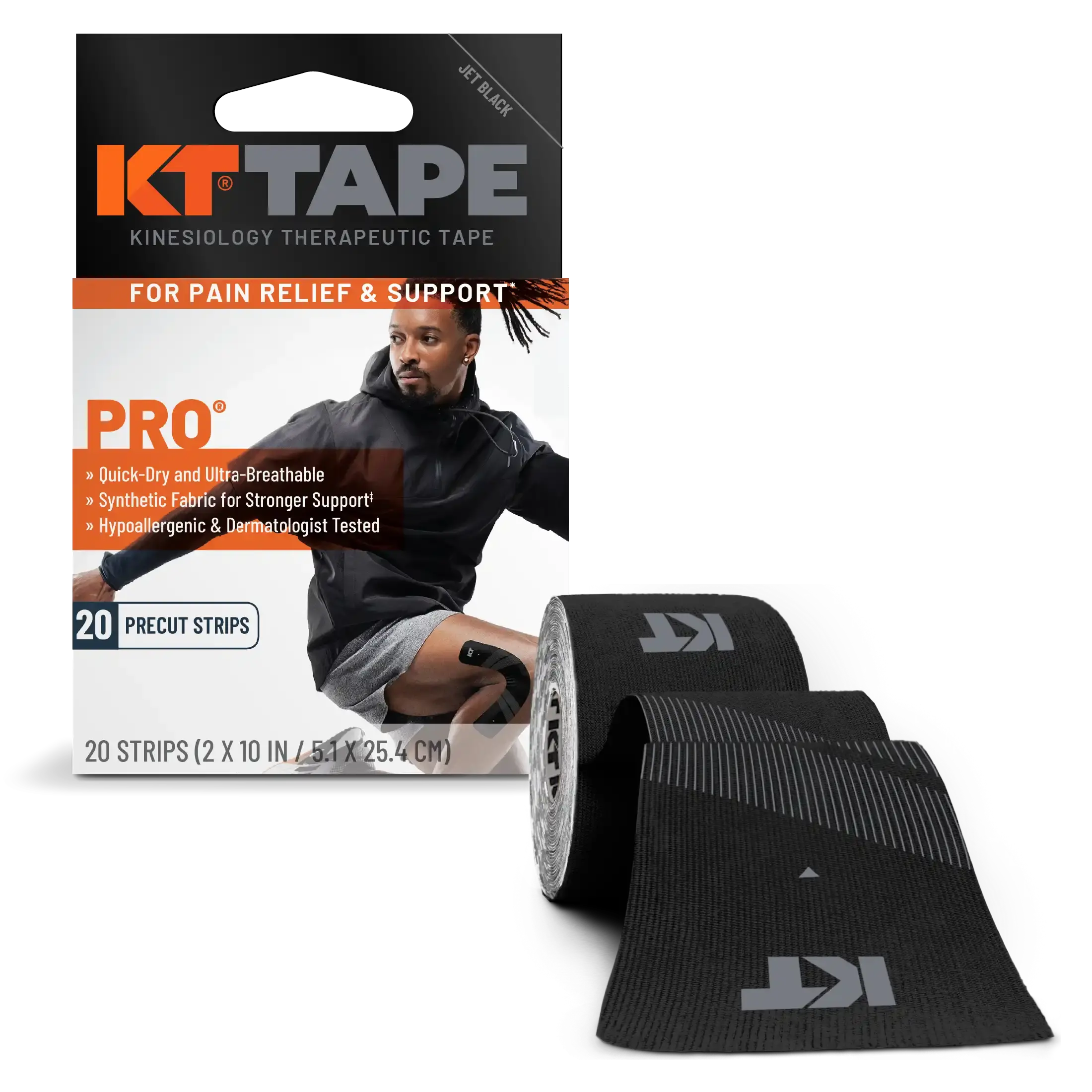
With all the bumps and bruises, tears and pulls in the sport of bull riding, there is certainly a need for plenty of ice, aspirin, and x-rays. Experts claim that KT Tape could also alleviate pain and speed the healing process. If a professional bull rider were to go down with a separated shoulder, kinesiology therapeutic tape could be applied to the area as it is highly effective at providing pain relief, stability & support, & faster recovery for injured or sore muscles and joints-without sacrificing comfort or freedom of movement. Taping up can now help in cowboying up!
Filed under: Aches Pains Injuries, Ankle Sprain, Back Pain, Knee Pain, Neck Pain, Shoulder Pain | April 22, 2010| Instructions | Instructions | Instructions | Instructions | Instructions | Instructions |
| IT Band Hip Calf Shin Splints Posterior Shin Splints Quad Groin Hip Flexor Hamstrings |
Gluteus Outer Knee Inner Knee Full Knee Support Bicep Osgood Schlatter Back of Knee Tricep |
Achilles Tendonitis Ankle Stability Plantar Fasciitis Peroneal Tendonitis Ball of Foot Top of Foot Heel Bunion |
Turf Toe SI Joint Low Back Middle Back Ribs Spine Abdominals Neck and Shoulder |
General Shoulder Rotator Cuff AC Joint Shoulder Stability Wrist General Elbow Tennis Elbow Golfers Elbow |
Finger Jam Thumb |
2011 - LUMOS INC. ALL RIGHTS RESERVED. SITE BY MakeItYourWeb
Information on this site is provided for informational purposes only. It is not meant to substitute for the advice provided by a physician or medical professional. If itchiness, irritation, redness, numbness, tingling or new pain appears after applying the tape, remove immediately. Do not use KT Tape if you have been diagnosed with cancer as it may interfere with treatment and disease management strategies employed by your medical professionals. Do not use KT Tape on abdominal applications if pregnant.
You should not use the information contained herein for diagnosing or treating a health problem, injury or disease. You should carefully read all product packaging. If you have or suspect that you have a medical problem, promptly contact your health care provider. Customer reviews and testimonials are provided for informational purposes only. Customer reviews reflect the individual reviewers results and experiences only and are not verified or endorsed by Lumos, Inc. Actual results may vary among users. Please see our Terms of Service Agreement and Privacy Policy.