We’ve all done it. Whether you’re walking down the driveway to get the mail, or stepping out of the car, it’s nearly impossible to avoid taking a spill on the ice during the winter months. And aside from a bruised behind, the most common casualty is that to your wrist or hand in an attempt to break your fall.
Dr. David Rehak from the Hughston Sports Medicine Foundation (http://www.hughston.com/hha/a_14_1_2.htm) explains the proper way to fall in order to avoid wrist and hand injury.
“The wrist is often fractured during a fall on an outstretched arm. In this position, the arm remains straight and the wrist takes the full force of the fall. A physician should examine a person with severe wrist pain after a fall, and x-rays should be taken to rule out a fracture. While the two bones in the forearm, the radius and the ulna, are the most likely to fracture, it is also possible that the small bone in the wrist just behind the base of the thumb, the scaphoid bone, can fracture. A scaphoid fracture is difficult to find even with x-rays because the fracture line is very fine. If wrist pain persists after a negative x-ray, then the wrist should be x-rayed again about 10 days after injury. By then, the healing process causes the fracture line to widen, making it more visible. If left untreated, a scaphoid fracture can lead to chronic pain in the wrist and the inability to extend the wrist backward.
Prevention is the best protection against winter injuries. Being in shape and having the proper equipment can help to reduce injuries, but learning how to fall correctly and safely can be your best bet for preventing injury.“
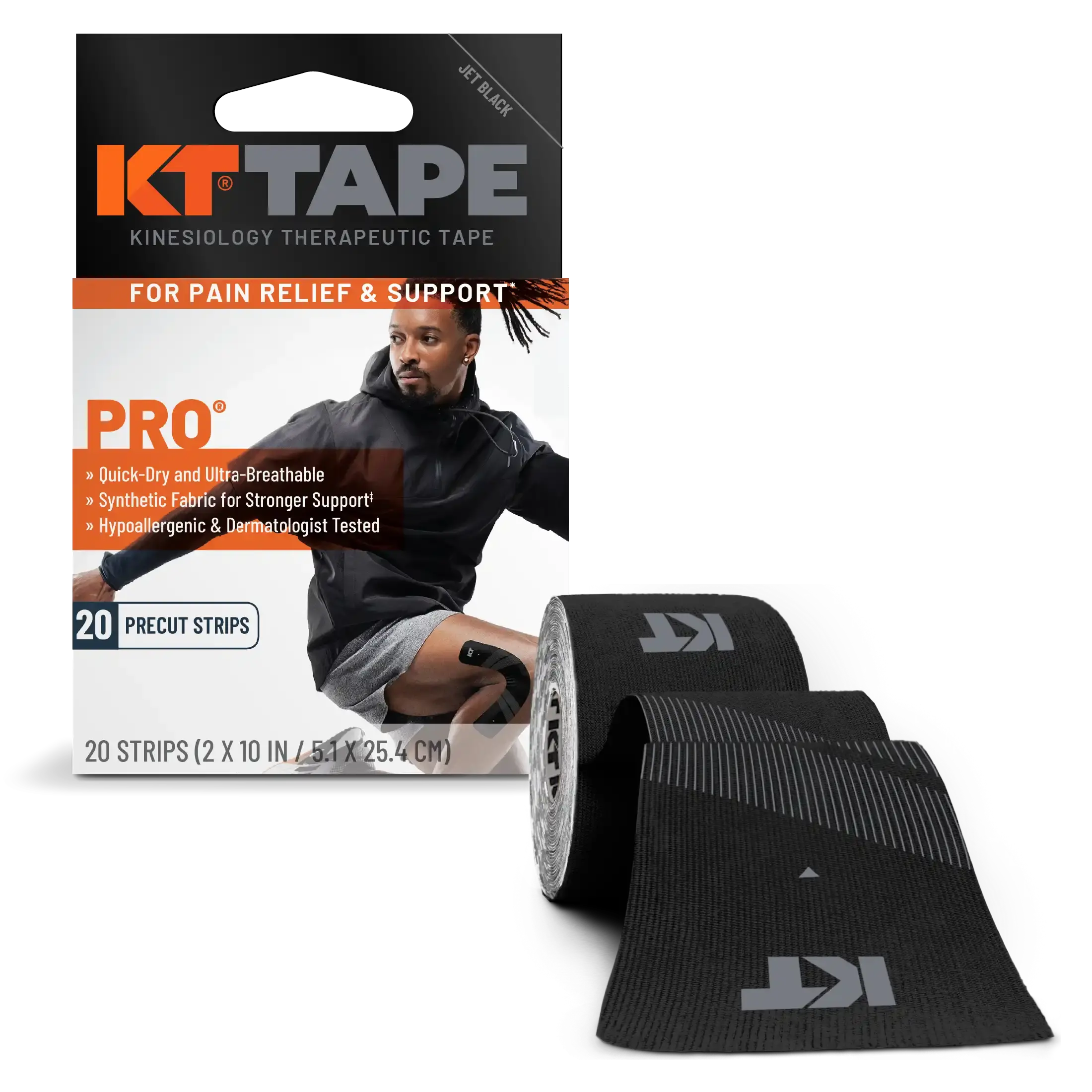
If you’ve got wrist pain from a fall, be sure to check out KT Tape to ease your pain and ask an expert how to tape your specific injury.
Filed under: Wrist sprain | January 29, 2010| Instructions | Instructions | Instructions | Instructions | Instructions | Instructions |
| IT Band Hip Calf Shin Splints Posterior Shin Splints Quad Groin Hip Flexor Hamstrings |
Gluteus Outer Knee Inner Knee Full Knee Support Bicep Osgood Schlatter Back of Knee Tricep |
Achilles Tendonitis Ankle Stability Plantar Fasciitis Peroneal Tendonitis Ball of Foot Top of Foot Heel Bunion |
Turf Toe SI Joint Low Back Middle Back Ribs Spine Abdominals Neck and Shoulder |
General Shoulder Rotator Cuff AC Joint Shoulder Stability Wrist General Elbow Tennis Elbow Golfers Elbow |
Finger Jam Thumb |
2011 - LUMOS INC. ALL RIGHTS RESERVED. SITE BY MakeItYourWeb
Information on this site is provided for informational purposes only. It is not meant to substitute for the advice provided by a physician or medical professional. If itchiness, irritation, redness, numbness, tingling or new pain appears after applying the tape, remove immediately. Do not use KT Tape if you have been diagnosed with cancer as it may interfere with treatment and disease management strategies employed by your medical professionals. Do not use KT Tape on abdominal applications if pregnant.
You should not use the information contained herein for diagnosing or treating a health problem, injury or disease. You should carefully read all product packaging. If you have or suspect that you have a medical problem, promptly contact your health care provider. Customer reviews and testimonials are provided for informational purposes only. Customer reviews reflect the individual reviewers results and experiences only and are not verified or endorsed by Lumos, Inc. Actual results may vary among users. Please see our Terms of Service Agreement and Privacy Policy.