It’s annoying. It’s painful. Shin splints! At some point, just about every runner and athlete experiences this painful injury to the shinbone and its connective tissue. At KT Tape, shin splints are among the most common injuries we are asked to help treat.
But what the heck is it?
Shin Splints are defined by the American Heritage Dictionary as, “Any of various painful conditions of the shins caused by inflammation of the surrounding muscles, frequently occurring among runners.”
To the medical community, shin splints are known as medial tibial stress syndrome and are caused by running downhill or on a slanted surface, running in worn-out footwear and engaging in sports with frequent starts and stops. Shin splints is also common among folks with flat arches in particular because of the tendency of the foot to roll too far inward when running.
So, what do I do once I have shin splints?
Rest. Avoid activities that cause pain, swelling or discomfort — but don’t give up all physical activity. While you’re healing, try low-impact exercises, such as swimming, bicycling or water running. If your shin pain causes you to limp, consider using crutches until you can walk normally without pain.
Ice the affected area. Apply ice packs to the affected shin for 15 to 20 minutes at a time, four to eight times a day for several days. To protect your skin, wrap the ice packs in a thin towel.
Reduce swelling. Elevate the affected shin above the level of your heart, especially at night. It may also help to compress the area with an elastic bandage or compression sleeve. Loosen the wrap if the pain increases, the area becomes numb or swelling occurs below the wrapped area.
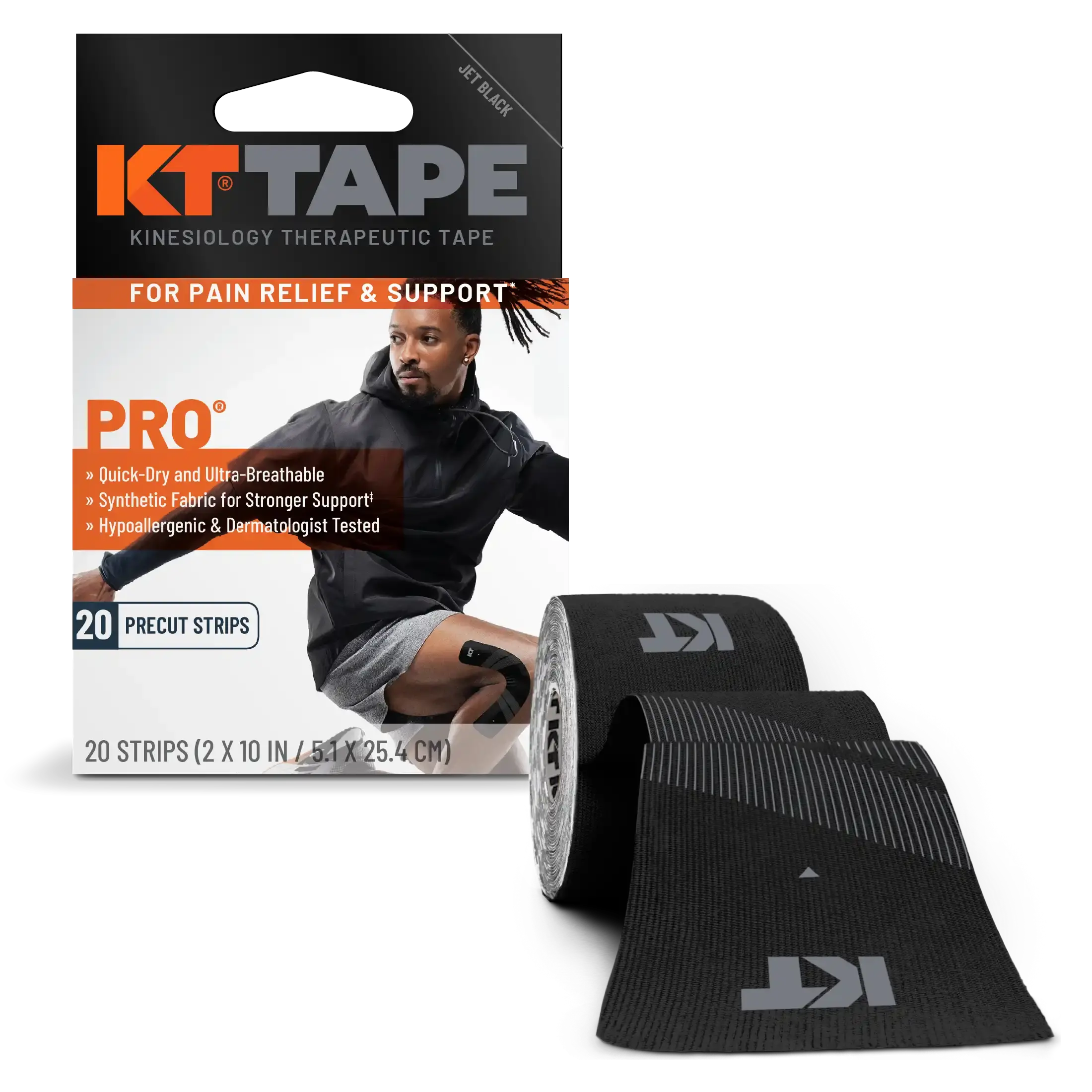
Tape the affected area with Kinesiology Therapeutic Tape. Applying KT Tape to shins will lift the epidermis off the body’s pain receptors, effectively relieving pain and reducing swelling. Taping instructions are available athttp://kttape.com/instructions/shin-splints/.
Wear proper shoes. Your doctor may recommend a shoe that’s especially suited for your foot type, your stride and your particular sport.
Consider arch supports. Arch supports can help cushion and disperse stress on your shinbones. Off-the-shelf arch supports come in various sizes and can be fitted immediately. More durable arch supports can be custom-made from a plaster cast of your foot.
How to avoid shin splints in the first place:
Choose the right shoes. Wear footwear that suits your sport. If you’re a runner, replace your shoes about every 350 to 500 miles.
Consider arch supports. Arch supports can help prevent the pain of shin splints, especially if you have flat arches.
Lessen the impact. Cross-train with a sport that places less impact on your shins, such as swimming, walking or biking. Remember to start new activities slowly. Increase time and intensity gradually.
Add strength training to your workout. To strengthen your shins, try toe raises. Stand up. Slowly rise up on your toes, then slowly lower your heels to the floor. Repeat 10 times. When this becomes easy, do the exercise holding progressively heavier weights. Leg presses and other exercises for your lower legs can be helpful, too.
| Instructions | Instructions | Instructions | Instructions | Instructions | Instructions |
| IT Band Hip Calf Shin Splints Posterior Shin Splints Quad Groin Hip Flexor Hamstrings |
Gluteus Outer Knee Inner Knee Full Knee Support Bicep Osgood Schlatter Back of Knee Tricep |
Achilles Tendonitis Ankle Stability Plantar Fasciitis Peroneal Tendonitis Ball of Foot Top of Foot Heel Bunion |
Turf Toe SI Joint Low Back Middle Back Ribs Spine Abdominals Neck and Shoulder |
General Shoulder Rotator Cuff AC Joint Shoulder Stability Wrist General Elbow Tennis Elbow Golfers Elbow |
Finger Jam Thumb |
2011 - LUMOS INC. ALL RIGHTS RESERVED. SITE BY MakeItYourWeb
Information on this site is provided for informational purposes only. It is not meant to substitute for the advice provided by a physician or medical professional. If itchiness, irritation, redness, numbness, tingling or new pain appears after applying the tape, remove immediately. Do not use KT Tape if you have been diagnosed with cancer as it may interfere with treatment and disease management strategies employed by your medical professionals. Do not use KT Tape on abdominal applications if pregnant.
You should not use the information contained herein for diagnosing or treating a health problem, injury or disease. You should carefully read all product packaging. If you have or suspect that you have a medical problem, promptly contact your health care provider. Customer reviews and testimonials are provided for informational purposes only. Customer reviews reflect the individual reviewers results and experiences only and are not verified or endorsed by Lumos, Inc. Actual results may vary among users. Please see our Terms of Service Agreement and Privacy Policy.