Every fall, when the first trace of snow appears, I vow to begin my pre-ski season workouts. This usually means much time spent browsing ski swaps and online gear reviews and a little time at the gym perfecting my squats and lunges.
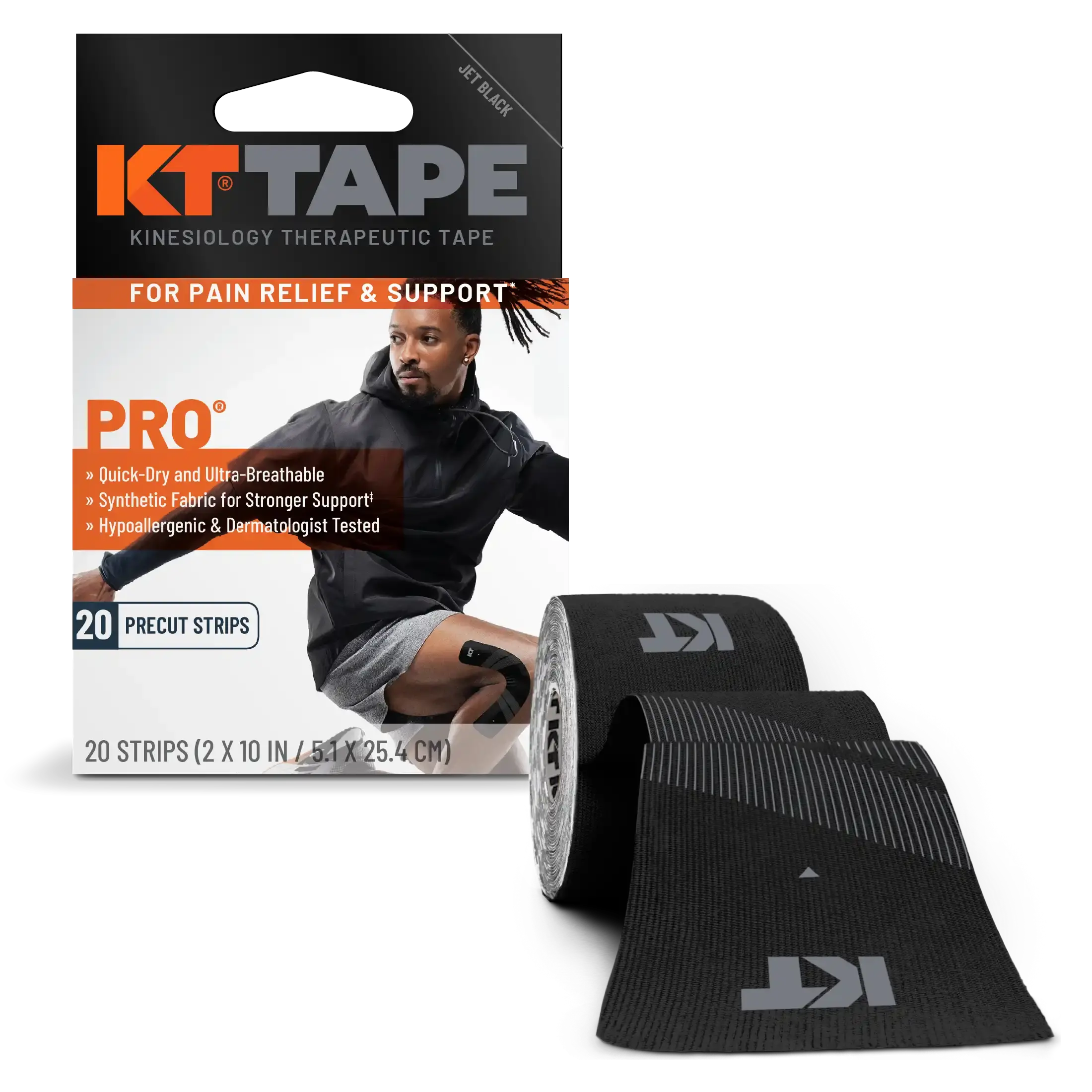
But, this year my boyfriend and I made solid efforts in preparation for the first few days on the hill. And even so, I spent the next day after my first full day ski trip laid up on my couch unable to bend my right knee. My boyfriend didn’t fare that well either. Turns out he couldn’t turn his neck: whiplash, caused by a nasty fall. Slightly embarrassed by our unpreparedness, we took out our roll of KT Tape and taped each other up. KT Tape not only eased our aches and pains, but enabled us to go out the following weekend with little or no pain in our respective sore spots. In my misery, I did some research and found out how to properly prepare for ski season.
According to a recent article in the Vail Daily, Dr. Bill Sterett, the head team physician for the U.S. Women’s Alpine Ski Team and a partner at the Steadman Hawkins Clinic in Vail, said the single most important thing skiers and riders can do the day of skiing is stretching before hitting the slopes.
Bodies are like rubber bands, when they’re cold they can easily snap, but a warmed up rubber band can stretch out a lot farther, he said.
While being in generally good physical shape is one of the best ways to prevent injury, Sterett said there are two really important tasks to keep in mind while skiing and snowboarding: stay hydrated, with water, not alcohol, and take breaks.
“As soon as people are skiing more than three hours without a break, the injury rate goes up about five-fold,” Sterett said. “Three hours seems to be a big benchmark for skiers.”
Even a 10-minute break to grab a glass of water and use the bathroom is useful, he said.
In the end, we will keep a roll of KT Tape with us where ever we go in case we find ourselves in a similar unprepared situation. Thanks KT Tape. Amy
Filed under: Knee Pain, Neck Pain | December 25, 2009| Instructions | Instructions | Instructions | Instructions | Instructions | Instructions |
| IT Band Hip Calf Shin Splints Posterior Shin Splints Quad Groin Hip Flexor Hamstrings |
Gluteus Outer Knee Inner Knee Full Knee Support Bicep Osgood Schlatter Back of Knee Tricep |
Achilles Tendonitis Ankle Stability Plantar Fasciitis Peroneal Tendonitis Ball of Foot Top of Foot Heel Bunion |
Turf Toe SI Joint Low Back Middle Back Ribs Spine Abdominals Neck and Shoulder |
General Shoulder Rotator Cuff AC Joint Shoulder Stability Wrist General Elbow Tennis Elbow Golfers Elbow |
Finger Jam Thumb |
2011 - LUMOS INC. ALL RIGHTS RESERVED. SITE BY MakeItYourWeb
Information on this site is provided for informational purposes only. It is not meant to substitute for the advice provided by a physician or medical professional. If itchiness, irritation, redness, numbness, tingling or new pain appears after applying the tape, remove immediately. Do not use KT Tape if you have been diagnosed with cancer as it may interfere with treatment and disease management strategies employed by your medical professionals. Do not use KT Tape on abdominal applications if pregnant.
You should not use the information contained herein for diagnosing or treating a health problem, injury or disease. You should carefully read all product packaging. If you have or suspect that you have a medical problem, promptly contact your health care provider. Customer reviews and testimonials are provided for informational purposes only. Customer reviews reflect the individual reviewers results and experiences only and are not verified or endorsed by Lumos, Inc. Actual results may vary among users. Please see our Terms of Service Agreement and Privacy Policy.