Plantar Fasciitis - Kinesiology Taping

The plantar fascia, or arch tendon, is a thick band of connective tissue (foot) that runs from the heel to the front of the foot. It is made of three distinct parts: medial, central, and lateral bands. The medial and central bands are the portions most likely to be involved in plantar fasciitis pain, and this is often when people look into kt taping for plantar fasciitis.
In normal function the plantar fascia acts as a shock absorber and support mechanism for the arch of the foot. During gait, or movement, the plantar fascia acts like a spring to conserve energy and provide propulsion. This movement pattern can benefit from a structured plantar fasciitis taping technique. Tension increases while the foot is on the ground to store the energy and is then released during toe-off (heel) to help with acceleration.
Plantar Fasciitis literally means inflammation of the plantar fascia, but most cases are more degenerative changes rather than inflammatory ones, which is why many people try self taping for plantar fasciitis as a supportive option. A new term being used to accurately describe the condition is plantar fasciosis. The condition accounts for about 10% of runner related injuries and is twice as predominant in women than in men. Because of this high incidence in runners, microtrauma from repeated stress is believed to be the primary base cause arch pain.
Causes are often multifaceted and can range from biomechanical (poor form) to cellular (poor diet) and any combination of the possibilities in between. Activities such as running, bearing significant amounts of weight for long periods of time, jumping, and dancing can all cause repeated stress along the plantar fascia – especially at the junction with the heel. This is also a relevant area for taping foot for plantar fasciitis when symptoms flare. Those who pronate (heel rolls out during walking or running), are overweight, wear poorly fit or worn shoes, or who have abnormal foot structure are at greater risk of developing plantar fasciitis. Heel spurs on the toe side of the heel are often the result of long term plantar fasciitis, but heel spurs on the back of the heel are a separate condition.
Training errors are also primary causes. Rapid increases in activity intensity or duration, abrupt addition of explosive movements or hill workouts, or a change to running on extremely hard surfaces can all be mistakes that cause plantar fasciitis. In these cases, athletes sometimes turn to taping for plantar fasciitis kt tape for additional support. Using appropriate footwear and adjusting the training over time is highly recommended in addition to diligently stretching the plantar fascia and calf muscles throughout new activity. Athletic shoes lose their cushion rapidly with intense activity and should be changed often to maintain healthy movement.
Tightness in the calf muscles or the Achilles tendon can greatly exacerbate or promote plantar fasciitis. Loss of movement in the ankle, weak or imbalanced leg and foot muscles, as well as the aging process can all be additional factors. Many individuals also explore taping for plantar fasciitis heel pain to help reduce load during movement self taping and provide functional relief arch support
Pain is almost always felt on the underside of the heel and most often along the arch of the foot. Most individuals report that pain in worst with the few steps in the morning or after long periods of inactivity. Pain is generally made worse by walking barefoot on hard surfaces, walking upstairs, sprinting, or spending long periods of time standing. Often it is difficult bending down or bringing the toes to the shin and longtime sufferers who remain active without treatment often have accompanying knee and hip pain. Taking weight off of the foot generally relieves pain. However, symptoms return as soon as the foot is again placed under weight.
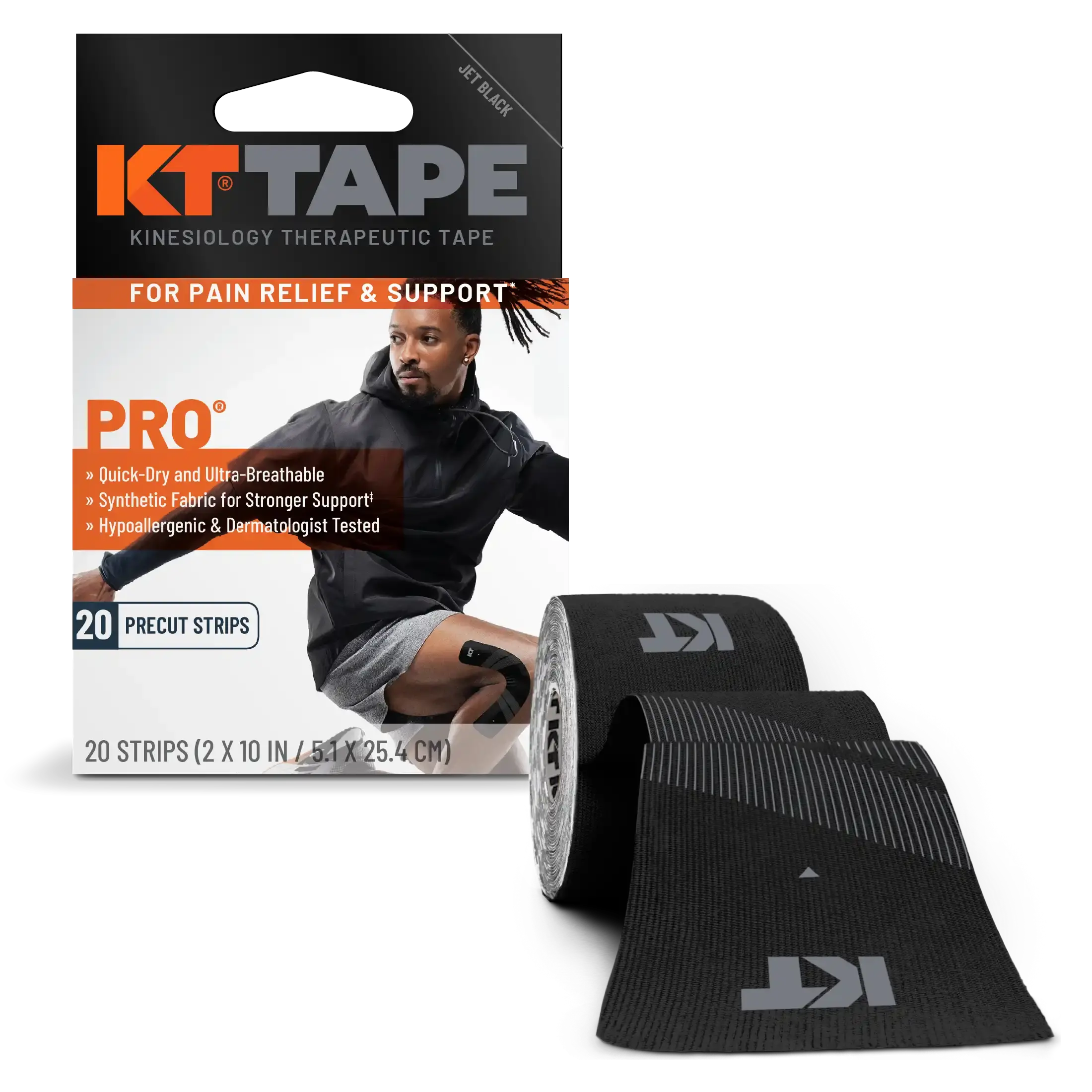
Using KT Tape for this condition has shown tremendous results in alleviating pain and promoting the healing process*. KT Tape provides comfortable and conformable support for the arch serving to relax the foot and reduce inflammation. Reduced activity, stretching the calves, massage therapy, weight loss in overweight individuals, foam rolling, ice, and NSAIDs can all serve to help alleviate symptoms and treat plantar fasciitis. Stretch the calves and plantar fascia before going to bed and before getting out of bed.
Additional recommendations include:
- Wear appropriately fit shoes with the appropriate support
- Stretch well prior to exercise
- Avoid hard surfaces
- Ice after activity
- Avoid long periods of standing still
- Implement multiple activities for cardiovascular exercise such as swimming, cycling, rowing, etc.
- Seek conservative wellness care
- Achilles Tendonitis
- Ankle Stability
- Peroneal Tendonitis
- Ball of Foot
- Top of Foot
- Heel Pain
- Turf Toe
- Bunion
For additional resources, please visit the KT Tape Forum.
*NOT CLINICALLY PROVEN FOR ALL INJURIES.