If you’ve ever felt that sharp or dull ache running along the front or inside of your shin after a workout, you know how frustrating shin splints can be. For runners, athletes, or even weekend fitness enthusiasts, shin pain can derail training and make every step uncomfortable.
Many people reach straight for anti-inflammatory medications, but what if there was a better way? If you’re wondering how to get rid of shin splints without popping painkillers, the good news is there are plenty of natural, drug-free strategies to ease discomfort, speed recovery from pain, and help you get back to moving with less pain.
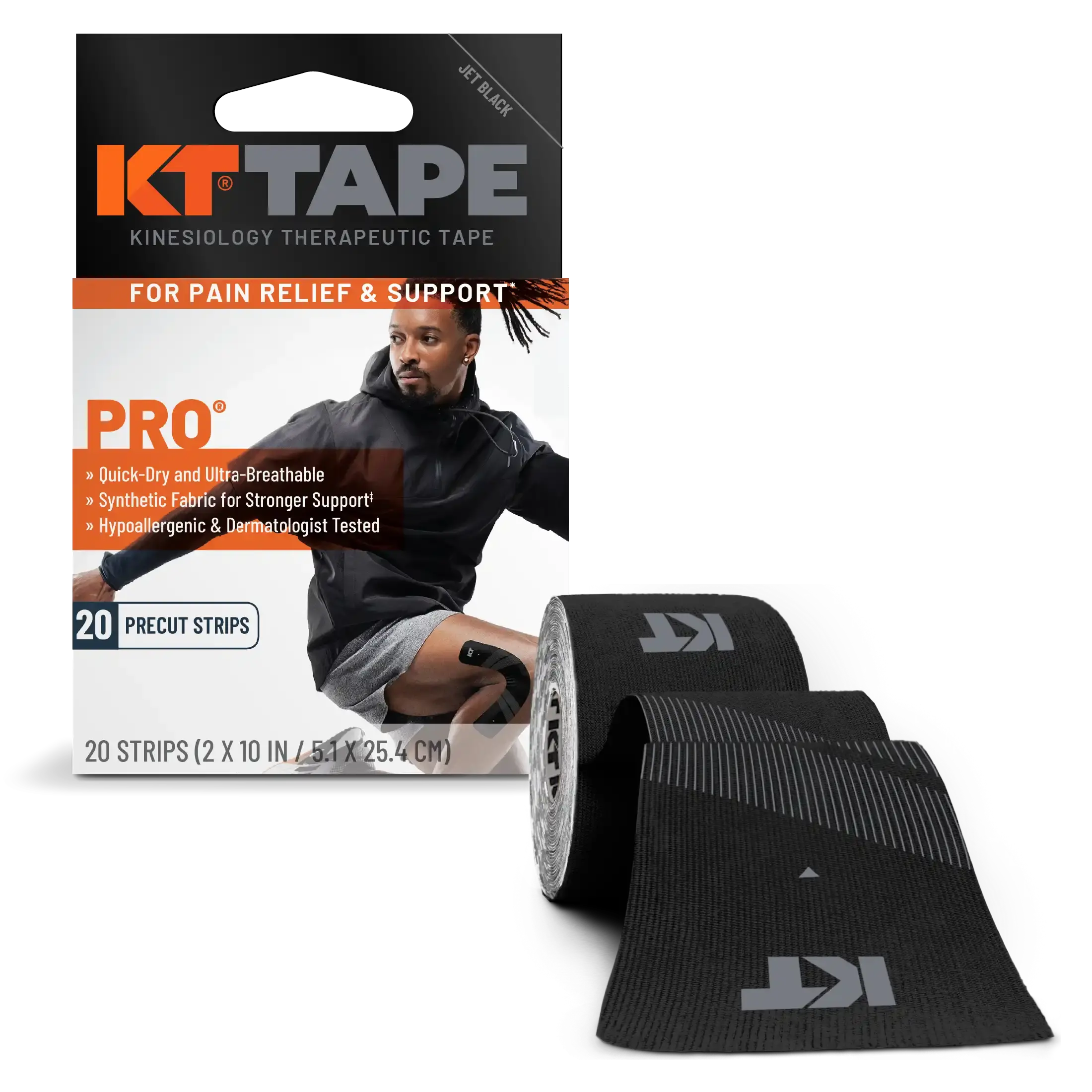
One of the most effective tools for fast, natural relief is KT Tape, which supports your shin while reducing stress on overworked muscles. Combined with stretching, massage, and smart training adjustments, you can find long-term relief and help reduce the likelihood of shin splints coming back. Let’s walk through the causes, treatments, and recovery strategies that actually work.
What Causes Shin Splints?
Shin splints (formally known as medial tibial stress syndrome), happen when the muscles, tendons, and bone tissue around your shin become inflamed from repetitive stress. This can occur on the inner edge of the shin (medial) or the front, near the tibialis anterior muscle (anterior). Both types can cause sharp or throbbing pain, especially when running, jumping, or even walking.
Common causes include suddenly increasing your training mileage, wearing worn-out shoes, running on hard or uneven surfaces, or having flat feet that increase stress on the shin bone. According to research published in the National Library of Medicine, risk factors for shin splints include higher body mass index, reduced hip external rotation, limited ankle mobility, and increased foot pronation (navicular drop). That’s why both beginners and seasoned athletes are prone to shin splints if they don’t pay attention to biomechanics and recovery.
It’s also important to distinguish shin splints from a more serious injury like a stress fracture. While shin splints usually improve with rest and supportive care, stress fractures often cause pinpoint pain and require longer recovery. If your shin pain feels sharp, localized, and worsens with pressure, it may be time to get evaluated by a professional.
Why Go Drug-Free? Benefits of Natural Shin Splint Treatment
The first question most athletes ask is: What’s the fastest way to get rid of shin splints? Although medication might dull the pain temporarily, it doesn’t solve the underlying issue. Pain relievers like NSAIDs can reduce inflammation and mask discomfort, but that may tempt you to push harder and potentially worsen the injury.
A shin splints natural treatment approach focuses on true recovery. By using tools like KT Tape, stretching, massage, and supportive footwear, you can reduce inflammation and allow tissues to heal while still keeping your body active. This is especially important for runners and athletes who don’t want to rely on medications long-term or risk side effects.
Natural remedies encourage your muscles to adapt, strengthen, and recover, which means less chance of shin splints returning in the future. In short, going drug-free may be a smarter choice for you.

KT Tape: Targeted Support for Shin Splint Relief
One of the most common concerns about shin splint recovery is understanding how KT Tape actually helps. The tape works by gently lifting the skin and relieving pressure on the tissues underneath.* When applied correctly, it may help reduce strain on the shin muscles, improve local blood flow, and provide stability without restricting your movement. For athletes, that means it’s possible to continue light training or daily activities with less pain.
If you’re dealing with pain along the inner shin, KT Tape can target posterior shin splints, while taping the front of the shin supports the tibialis anterior muscle for anterior shin splints. To learn the exact method, check out this step-by-step guide on taping for shin splints.
So, how long does it take for shin splints to heal with KT Tape? Many people notice near-immediate pain relief once the tape is applied, but recovery still depends on the severity of your condition and how well you combine taping with rest, stretching, and strengthening. For mild shin splints, using KT Tape during training and recovery for one to two weeks can significantly speed up recovery from pain. For more persistent cases, it may take a month or longer of consistent care and a combination of tools.
Athletes often ask if they need to stop running entirely with shin splints. The answer depends on your pain level. If the pain is mild and manageable with KT Tape and recovery tools, you may be able to cross-train and ease back into running gradually. But if the pain intensifies or lingers, full rest and professional evaluation may be necessary to avoid worsening the condition.
Learn more about how KT Tape can help reduce pain from shin splints naturally.
Other Natural Remedies That Help Get Rid of Shin Splints
Although KT Tape is an excellent front-line tool, a complete shin splints natural treatment plan includes other strategies to speed up recovery from pain and help reduce flare-ups.
Stretching is one of the simplest and most effective ways to reduce tension in the shin and calf muscles. Gentle stretching exercises targeting the calves, ankles, and feet improve mobility and reduce pressure on the shin bone. Pair these stretches with strengthening moves for the tibialis anterior and calves to build resilience.
Massage is another powerful tool. Using the KT Recovery+ Ice/Heat Massage Ball can help loosen tight muscles while also delivering soothing hot or cold therapy. Icing remains a classic recovery method, whether with a traditional ice pack or a KT Ice Sleeve that molds comfortably to your shin for targeted relief.
Don’t underestimate the role of footwear. Worn-out shoes or insufficient arch support can put extra stress on your shins. Switching to cushioned running shoes or adding orthotic inserts can dramatically improve comfort and reduce recurrence.
If you’re wondering whether you can keep training, the key is balance. Cross-training with low-impact activities like cycling, swimming, or elliptical workouts can help you maintain fitness while your shins recover. This way, you’re not losing momentum while still giving your body a chance to heal. For more guidance, here’s a resource on treating shin splints at home that aligns with these natural recovery methods.

Tips for Preventing Shin Splints from Returning
Once you’ve done the work of getting rid of shin splints, prevention becomes your best friend. Start with proper warm-ups and cool-downs before and after workouts to keep muscles loose and ready for action. Avoid sudden spikes in mileage or intensity, and always give your body time to adapt when increasing training.
Pay attention to your running surfaces. Hard concrete can be brutal on your shins, so mixing in grass, trails, or rubber tracks can help. Gradually strengthening your shin and calf muscles through specific exercises also adds long-term protection. Even simple moves like toe raises, calf raises, or resistance band work can build durability.
Most importantly, listen to your body. Shin splints are often a warning sign that your body needs rest, recovery, or a training adjustment. Ignoring them can lead to bigger problems like stress fractures, but respecting the signals helps you train smarter and stay injury-free.
Final Thoughts: Heal Naturally, Train Smarter
Shin splints may be common, but they don’t have to keep you sidelined. By combining KT Tape with supportive care like stretching, massage, ice, and smart training, you can find lasting relief without relying on medications. Think of it not just as learning how to get rid of shin splints, but as building a stronger foundation for your running and athletic performance.
So the next time you feel that familiar ache in your shin, don’t rush for the pill bottle. Instead, reach for KT Tape, apply some natural remedies, and give your body the support it needs. Recovery doesn’t have to mean stopping; it means training smarter.
Try KT Tape and cold therapy tools today, and experience how natural recovery can help you run at your best, recover faster from pain, and stay on track with your training goals..

Written by KT Tape Team
The KT Tape Team is a collective of passionate experts in kinesiology, sports medicine, athletic training, and fitness innovation. United by a mission to empower movement and recovery, the team brings together decades of experience working with athletes—from elite professionals to weekend warriors—across a wide range of sports and activity levels. Through rigorous research, collaboration with healthcare professionals, and feedback from real users, KT Tape has developed a line of products trusted around the world for pain relief, support for injuries, athletic recovery, and empowering movement. Whether it's developing application guides, supporting major sporting events, or advancing the science of movement, the KT Tape Team is committed to helping people stay active, recover effectively, and perform at their best. KT Tape isn’t just a product—it’s a movement, and the team behind it is here to support yours.