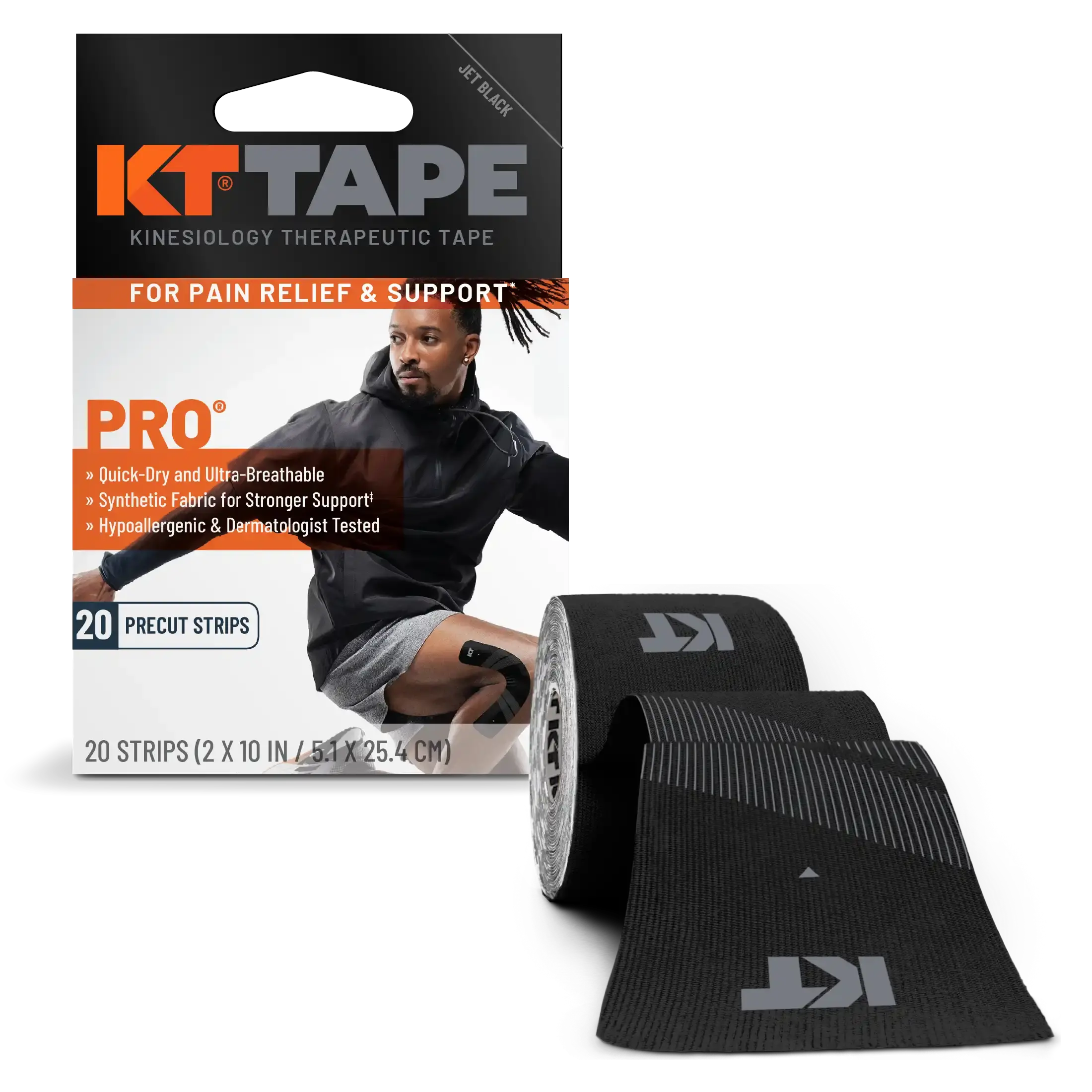
When it comes to optimizing recovery and enhancing mobility, even small interventions can make a big difference. Kinesiology tape, once reserved for elite athletes, has become a trusted therapeutic tool across physical therapy, chiropractic, and sports medicine settings. For clinicians looking to improve patient outcomes, incorporating kinesiology tape into treatment plans can bridge the gap between clinical sessions and everyday movement support.
Let’s explore how you can use kinesiology tape in your practice to help patients move better, feel stronger, and recover faster — backed by science and clinical experience.
Why Kinesiology Tape Deserves a Place in Your Treatment Toolkit
Kinesiology tape, often referred to as KT tape, is a clinically effective tool that helps reduce pain, improve proprioception, and support muscles and joints without restricting natural motion. This balance of support and mobility makes it ideal for a wide range of patients, from professional athletes to those with post-operative or chronic pain conditions.
The benefits of kinesiology tape include:
-
Help improve range of motion without mechanical restriction
-
Decrease pain and joint stiffness
-
Enhance local circulation and lymphatic flow
-
Faster recovery from pain on the way to functional activity
It’s also versatile. Clinicians use kinesiology taping techniques to assist with treatment of sports injuries, post-surgical rehabilitation, muscle imbalances, and chronic pain conditions like knee osteoarthritis or shoulder instability.
In fact, a 2025 ProClaims survey found that KT Tape is the #1 doctor-recommended kinesiology tape brand, underscoring its widespread clinical trust and adoption.

The Science Behind Kinesiology Tape’s Effectiveness
To understand why kinesiology taping works, it helps to look beneath the surface, literally.
When applied correctly, kinesiology tape gently lifts the skin, creating a micro-space between the epidermis and underlying fascia.* This decompression helps reduce pressure on pain receptors, stimulate mechanoreceptors for improved proprioception, and enhance blood and lymphatic flow. The result? Better pain management during movement, less swelling, and quicker recovery from pain.
1. Sensory Feedback and Proprioception
One of kinesiology tape’s biggest advantages lies in its ability to improve sensory feedback. Stimulating cutaneous mechanoreceptors, it reinforces neuromuscular control, which is essential for balance and coordination. Patients often report feeling more “aware” of their movement patterns, supporting and helping with safer and more effective rehabilitation exercises.
2. Improved Local Circulation and Lymphatic Flow
Kinesiology tape also plays a role in supporting the lymphatic and venous systems. The elastic recoil of the tape assists with microcirculation, helping reduce inflammation and speed recovery from the pain of injuries. This is especially beneficial in managing swelling after acute trauma or post-surgery.
3. Pain Modulation
Through its sensory effects, kinesiology tape may help reduce pain perception via the gate control theory of pain. Stimulating non-painful input to the nervous system helps “close the gate” to pain signals, offering non-invasive relief.
Evidence-Based Insights
Recent research highlights the value of kinesiology tape as an integral part of a comprehensive treatment plan. A Journal of Sport Rehabilitation study found that participants experienced significant improvements in pain, joint stiffness, and physical function after just three days of continuous kinesiology tape application compared to baseline.
Similarly, a scoping review of kinesiology taping in sports reported that 46% of publications found evidence supporting KT’s effectiveness, particularly for pain relief and functional improvements, while noting that results vary depending on the condition and application technique (PubMed).
Together, these findings highlight that while kinesiology tape isn’t a cure-all, it’s a powerful adjunct tool for clinicians aiming to enhance patient outcomes through multimodal care.
For deeper insights, you can explore research on the effects of kinesiology taping.
Integrating KT Tape into Your Clinical Practice
So how do you bring kinesiology tape into your workflow in a practical, efficient way? Here’s a step-by-step approach that can help you maximize patient results and confidence.
1. Selecting the Right Tape Type
Not all kinesiology tapes are created equal. Consider your patient’s needs and skin sensitivity when choosing among KT Tape options:
-
KT Tape Pro – Designed for performance and durability; ideal for athletes or active patients.
-
KT Tape Gentle – Perfect for sensitive skin or older adults with thinner skin.
-
KT Tape Cotton – A breathable, everyday option for general therapeutic use.
Selecting the right tape ensures better adherence and comfort—key factors in patient compliance.
2. Perfecting Application Techniques
Before applying, make sure the skin is clean, dry, and free of oils or lotions. Trim excessive hair if needed to improve adhesion.
When applying:
-
Avoid overstretching; typically, use 10–50% tension, depending on the goal.
-
Apply anchor ends with no stretch to reduce irritation.
-
Rub the tape after application to ensure the adhesive is securely adhered to the skin..
These small details can significantly improve wear time and patient comfort.
3. Combining Kinesiology Tape with Other Therapies
Kinesiology tape works best when integrated with complementary treatments such as manual therapy, cryotherapy, and exercise rehabilitation. For instance:
-
In shoulder instability, taping can assist proprioceptive feedback while patients perform strengthening exercises.
-
For knee osteoarthritis, taping provides gentle medial support, helping patients maintain alignment during functional activities.
-
In plantar fasciitis, tape can unload tension on the plantar fascia, reducing pain during gait retraining.
The synergy between kinesiology taping and active rehabilitation can enhance both short-term relief and long-term outcomes.

Improving Patient Engagement and Compliance
Even the most precise taping job won’t make a lasting impact unless patients understand how to care for their tape and continue its use at home.
Educate and Empower
During sessions, explain to patients how kinesiology tape works — that it supports muscles and joints while encouraging better movement patterns rather than restricting them. Simple explanations help patients feel more in control of their recovery.
Encourage At-Home Reapplication
For continuity of care, teach patients how to reapply kinesiology tape safely between visits. Provide take-home instruction sheets or links to official KT Tape tutorials to reinforce correct taping methods. This helps them maintain progress and reduces dependency on in-clinic reapplications.
Support for Active Lifestyles
Many patients, especially athletes, appreciate that kinesiology tape can stay on during workouts, showers, or daily activities. It’s sweat-resistant and dries quickly, encouraging consistent adherence to the treatment plan and improved outcomes.
Limitations and Clinical Considerations
Although kinesiology tape offers numerous benefits, it’s important to present realistic expectations.
1. Evidence Variability
Research shows mixed results regarding long-term outcomes. While many studies confirm its value for pain reduction and functional improvements, KT Tape should be viewed as an adjunct—not a standalone treatment.
2. Patient Safety
You may wonder, is kinesiology tape safe for all patients? Generally, yes, it’s safe for most individuals when applied correctly. However, clinicians should avoid taping over open wounds, rashes, or fragile skin and be cautious with patients who have circulatory or sensory impairments.
3. Wear Duration
Another common question is, how long should patients wear kinesiology tape? Typically, each application lasts 3–5 days, depending on skin type and activity level. Advise patients to remove the tape gently to avoid irritation.
4. The Role of Placebo and Perception
Even when the mechanical effects of kinesiology tape are debated, the placebo and proprioceptive benefits are undeniable. Patients often report a sense of stability and confidence that can facilitate smoother movement patterns, which is essential in rehabilitation.
Conclusion: Flexible Support for Better Results
Kinesiology tape continues to prove itself as a valuable ally in modern rehabilitation and sports medicine. Combining pain relief, functional support, and patient engagement, it empowers clinicians to improve outcomes across a wide range of conditions, from acute sports injuries to chronic pain management.
KT Tape stands at the forefront of this movement as the #1 doctor-recommended kinesiology tape brand (2025 ProClaims survey), trusted by healthcare professionals worldwide.
Through integrating kinesiology tape into your practice, you can help patients recover faster, move with confidence, and stay active in their daily lives.
Bring the benefits of KT Tape to your patients — explore professional options today.

Written by KT Tape Team
The KT Tape Team is a collective of passionate experts in kinesiology, sports medicine, athletic training, and fitness innovation. United by a mission to empower movement and recovery, the team brings together decades of experience working with athletes—from elite professionals to weekend warriors—across a wide range of sports and activity levels. Through rigorous research, collaboration with healthcare professionals, and feedback from real users, KT Tape has developed a line of products trusted around the world for pain relief, support for injuries, athletic recovery, and empowering movement. Whether it's developing application guides, supporting major sporting events, or advancing the science of movement, the KT Tape Team is committed to helping people stay active, recover effectively, and perform at their best. KT Tape isn’t just a product—it’s a movement, and the team behind it is here to support yours.