Spraining an ankle can feel like hitting pause on your active lifestyle. One wrong step while running, hiking, or simply misjudging a curb can leave you dealing with swelling, pain, and uncertainty about what to do next. But a sprained ankle doesn’t have to sideline you completely and you don’t always have to resort to bulky ankle braces or wrap-yourself-like-a-mummy elastic bandages.
Enter KT Tape.
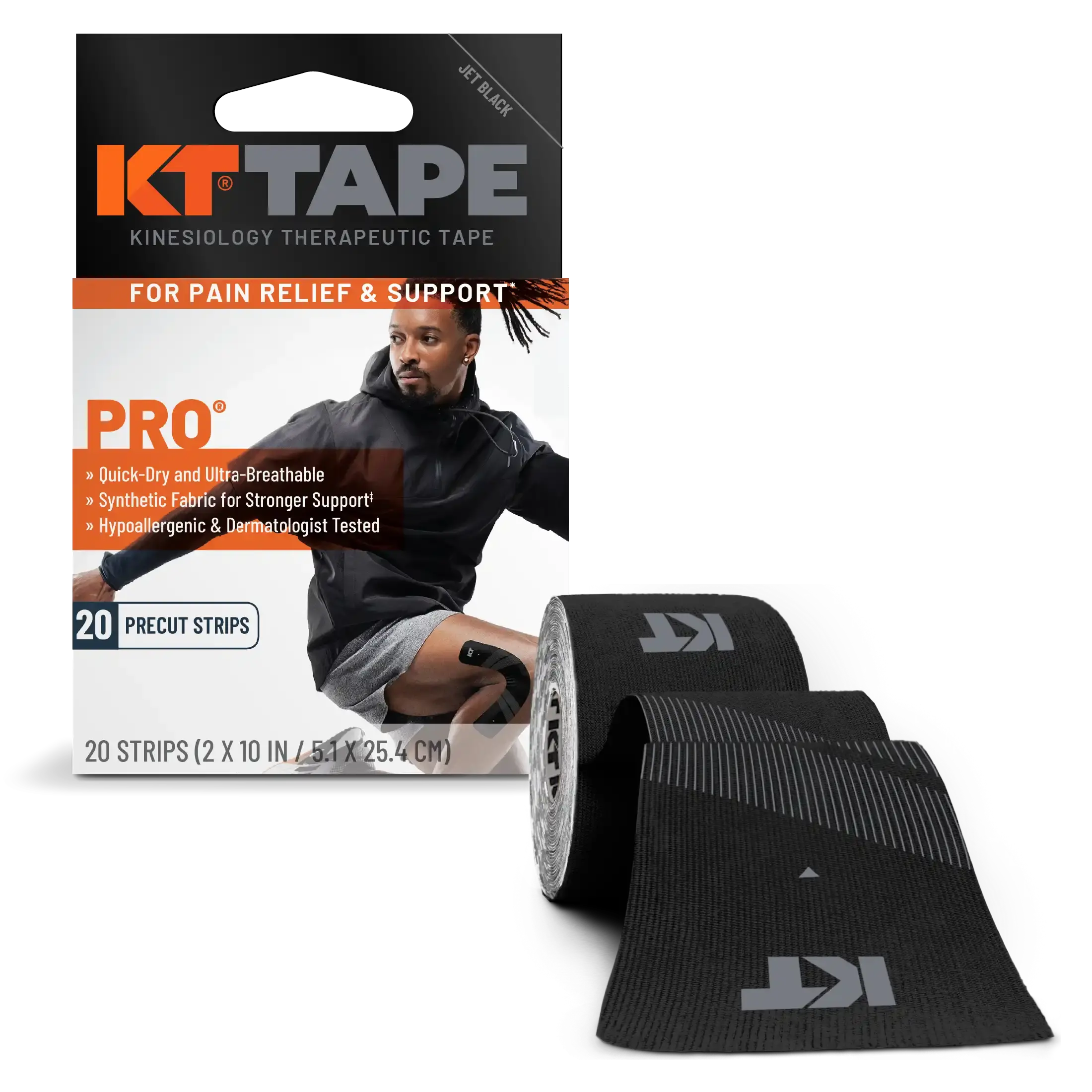
Lightweight, flexible, and easy to use, KT Tape is a practical way to help stabilize your ankle so you can keep moving comfortably. If you’re managing a mild sprain at home or in need of a temporary solution while traveling, knowing how to stabilize a sprained ankle with KT Tape can help you stay mobile and confident.
Sprained vs. Broken Ankle: What You Need to Know First
Before diving into taping techniques, let’s address a common concern: how do you know if your ankle is sprained or actually broken?
A sprained ankle typically involves ligament overstretching or tearing. Symptoms may include swelling, bruising, and pain when bearing weight. While walking might be possible, the ankle often feels wobbly or unstable. A broken ankle vs sprained ankle situation, on the other hand, can include severe pain, visible deformity, or an inability to move or support any weight on the foot. If your ankle looks misaligned or you heard a snap, it's time to head to urgent care as KT Tape isn’t a substitute for medical diagnosis or treatment.
But if the injury seems manageable and you're able to walk (albeit with some discomfort), it's more likely a sprain. In that case, KT Tape can be a game-changer for mild sprains.

Why Choose KT Tape Over Braces or Bandages?
Traditional ankle braces can feel like overkill, especially for milder injuries. They’re rigid, restrictive, and can limit your movement in ways that actually slow down recovery. Elastic bandages, while handy in theory, often get wrapped too tightly or unevenly, cutting off circulation and becoming uncomfortable after a few hours.
If you’re looking for tips on how to stabilize a sprained ankle in a lightweight, comfortable way, KT Tape delivers just that. It lets you maintain ankle stability without locking the joint in place. The breathable, waterproof material adheres gently to your skin and moves as you do, giving your ligaments the gentle lift they need to reduce swelling and increase circulation.
It’s ideal for those moments when you need to keep going—whether it’s walking your dog, chasing after your toddler, or finishing a light workout.
How KT Tape Helps Stabilize a Sprained Ankle
The secret to KT Tape lies in its elasticity and adhesive design. When applied correctly, the tape lifts the skin slightly away from the underlying tissues. This small lift encourages lymphatic drainage and blood flow, which can reduce swelling and promote healing**.
At the same time, the tape supports the ligaments that have been overstretched or partially torn. That added structure can decrease the feeling of wobbliness and boost your proprioception, which is your body’s awareness of where your foot is in space. That’s critical for avoiding repeat injuries and helping your body relearn stability.
In fact, a randomized controlled trial on youth athletes found that kinesiology taping could support unstable ligaments and improve functional stability during recovery. That’s especially important in the early days after a sprain, when your ligaments are vulnerable to further damage.
How to Tape a Sprained Ankle with KT Tape
Learning how to tape a sprained ankle properly is essential to getting the most benefit out of KT Tape. If your ankle is showing signs of an inversion sprain (the most common type, where your foot rolls inward), you’ll need 2–3 I-strips of tape and a clean, dry ankle. Make sure there’s no lotion or sweat on the area so the tape adheres properly.
Start by anchoring one strip just below the ankle bone on the outside of your foot, then gently wrap it under and around the heel, crossing over the inside of your ankle. You want light to moderate tension — avoid stretching the tape to its maximum.
Next, apply a second strip in a similar pattern, overlapping the first to reinforce the lateral ligaments. If swelling is an issue, a third strip can be cut into a fan shape and placed directly over the swollen area to help encourage fluid drainage.
Not sure you’ve got it right? Watch the official ankle stability tutorial from KT Tape to follow along visually.
Mistakes to Avoid When Taping
Like any technique, there’s a bit of a learning curve. One common mistake is overstretching the tape. More tension doesn’t equal more support. As a matter of fact, it actually increases the chance of skin irritation or the tape peeling off early. Another issue is taping too tightly around the foot, which can restrict blood flow and worsen swelling.
Also, never tape over red, irritated, or broken skin, and you should avoid applying KT Tape if there’s significant swelling that hasn’t been managed. Check for circulation before and after you tape: your toes should remain pink and warm, not pale or cold.

How Long Does It Take for a Sprained Ankle to Heal?
It’s a question that comes up a lot: How long should I tape a sprained ankle? While every injury is different, most people find that KT Tape is most helpful during the first week or two after a sprain, particularly for mild to moderate injuries. If you're wondering how long does it take a sprained ankle to heal, mild sprains typically resolve in 7–14 days, while moderate ones may take up to six weeks.
KT Tape can be reapplied every 3–5 days, depending on your skin type and activity level. If you’re still experiencing instability beyond that, it might be time to reassess your treatment plan or check in with a healthcare provider.
Additional At-Home Recovery Tips
Using KT Tape isn’t the only thing you can do to promote healing. In the early days post-injury, follow the RICE protocol: rest, ice, compression, and elevation. Then, once the swelling begins to subside, add in gentle movements to maintain your range of motion.
Simple exercises like ankle circles or resistance band flexion can help retrain the muscles and ligaments around your joint. These moves are essential for long-term ankle stability and reducing your chances of spraining it again. Want to take it a step further? Learn how to help prevent ankle sprains with balance training and strengthening drills.
Also, if you’re experiencing pain that isn’t improving or you suspect a high ankle sprain, it’s important to get a formal evaluation. High ankle sprains involve different ligaments and may require a longer recovery period with more advanced care. This guide from orthopedic foot and ankle specialists offers a deeper look into that injury type.
Conclusion: Recovery That Keeps You Moving
Sprained ankles happen but being sidelined doesn’t have to. Knowing how to stabilize ankle after sprain with KT Tape can give you the confidence to stay mobile, manage discomfort, and support healing without relying on stiff braces or bulky wraps.
KT Tape offers a science-backed, athlete-trusted solution that keeps you on your feet while your body does the work of healing. When used correctly, it can be part of a powerful toolkit that helps reduce downtime and get you back to the activities you love.
So the next time your ankle takes a hit, don’t panic. Tape up, stay steady, and stay moving. Want to learn more? Shop KT Tape and explore full tutorials to prepare for whatever the trail or the day throws your way. For additional guidance, this ankle sprain treatment resource is a solid place to start.
*not clinically proven for all injuries
**method of action supported by academic hypothesis

Written by KT Tape Team
The KT Tape Team is a collective of passionate experts in kinesiology, sports medicine, athletic training, and fitness innovation. United by a mission to empower movement and recovery, the team brings together decades of experience working with athletes—from elite professionals to weekend warriors—across a wide range of sports and activity levels. Through rigorous research, collaboration with healthcare professionals, and feedback from real users, KT Tape has developed a line of products trusted around the world for pain relief, support for injuries, athletic recovery, and empowering movement. Whether it's developing application guides, supporting major sporting events, or advancing the science of movement, the KT Tape Team is committed to helping people stay active, recover effectively, and perform at their best. KT Tape isn’t just a product—it’s a movement, and the team behind it is here to support yours.