Wellness trends come and go — from ice baths and infrared saunas to green juices and gua sha. But lately, there’s a new favorite making waves among athletes, physical therapists, and wellness enthusiasts alike: kinesiology tape for lymphatic drainage.
You’ve probably seen those colorful strips on runners’ knees, volleyball players’ shoulders, or even your favorite fitness influencer’s legs. What started as a sports recovery tool has now found its way into beauty and wellness routines, promising benefits like reduced swelling, improved local circulation, and faster recovery from pain.
But here’s the real question: does it actually work? Let’s break down the science and practicality behind the lymphatic drainage taping technique and see why it might just deserve a place in your self-care toolkit.
What Is the Lymphatic System and Why It Matters
Before we talk about tape, let’s talk about what it supports — your lymphatic system.
Think of it as your body’s natural cleanup crew. It’s responsible for filtering out toxins, cellular waste, and excess fluids through a network of lymph vessels, lymph nodes, and lymphatic pathways. When the system runs smoothly, you feel energized, less puffy, and more balanced.
But when lymph flow slows down, due to injury, surgery, or even long periods of inactivity, that’s when swelling, fatigue, and inflammation can kick in. Over time, poor lymph circulation can even contribute to lymphedema, a chronic condition that causes fluid buildup, discomfort, and tightness in the limbs.
That’s where lymphatic drainage techniques like gentle massage and taping come into play. Traditional manual lymph drainage (MLD) is a specialized massage method that stimulates lymph flow by encouraging fluid to move toward healthy lymph nodes.
And now, kinesiology tape takes this idea a step further by offering round-the-clock support for your lymphatic health.

Understanding the Lymphatic Drainage Taping Technique
So, what exactly is the lymphatic drainage taping technique?
In simple terms, it’s the use of kinesiology tape to gently lift the skin, creating tiny channels underneath that help lymph fluid move more freely. This small lift, called lymphatic correction, reduces pressure on the underlying lymph vessels, allowing fluid to drain toward nearby lymph nodes.
It’s like giving your lymphatic system a constant, gentle reminder to “keep things moving.”
Professionals use this method to support recovery after injuries or surgeries, reduce swelling and bruising, and improve comfort for people dealing with lymphedema. But increasingly, even everyday wellness seekers are turning to taping for benefits like reduced puffiness, faster recovery from pain after workouts, and general detox support.
It’s important to note that lymphatic drainage taping doesn’t replace medical treatments such as lymphatic taping for lymphedema or professional drainage therapy. Instead, it works alongside them, extending their effects between sessions.
How Kinesiology Tape Supports Lymphatic Drainage
At first glance, kinesiology tape looks like a simple stretchy strip, but its benefits go far beyond looks.
The tape mimics the elasticity of human skin, and when applied correctly, it microscopically lifts the top layer of the skin from the underlying tissues. This gentle decompression improves blood and lymphatic circulation, allowing excess fluid and waste to move through the body more effectively.
Here’s what happens in practice:
-
Reduced pressure on lymph capillaries helps open up blocked pathways.
-
Improved lymph flow promotes better drainage from swollen areas.
-
Enhanced recovery helps clear out inflammation byproducts and metabolic waste.
Physical therapists, trainers, and rehabilitation specialists have used this principle for years; not just for athletic injuries, but for post-surgical recovery, swelling, and lymphatic correction.
So, does it actually work? Research and clinical feedback suggest that kinesiology taping for lymphatic drainage can indeed reduce swelling and discomfort. And while results vary by individual, many users report visible improvements in puffiness and comfort within days of consistent use.
Step-by-Step: How to Apply Kinesiology Tape for Lymphatic Drainage
If you’re curious to try kinesiology tape for lymphatic drainage at home, here’s a simple, non-medical guide to get started. Always consult a healthcare professional if you’re recovering from surgery or have a medical condition like lymphedema.
-
Prep your skin: Clean and dry the area completely. Avoid oils or lotions that might prevent the tape from sticking properly.
-
Cut the tape into fan shapes: Most lymphatic applications use “fans”, one solid base with multiple narrow strips extending outward. This pattern helps direct fluid flow along lymphatic pathways.
-
Anchor near the lymph nodes: Place the solid base of the tape near major lymph nodes (for example, the groin for leg swelling or the collarbone for arm/neck areas).
-
Apply the strips gently with skin ‘on-stretch’: With minimal or no stretch, apply the tape toward the swollen area or direction of drainage. You should barely feel it — it’s a supportive lift, not a tight wrap.
-
Smooth and activate: Rub over the tape gently to set the adhesive and ensure a secure bond, ensuring the ends of tape are well adhered.
The tape can stay on for several days, even through showers or workouts, making it a convenient option for continuous lymphatic support.
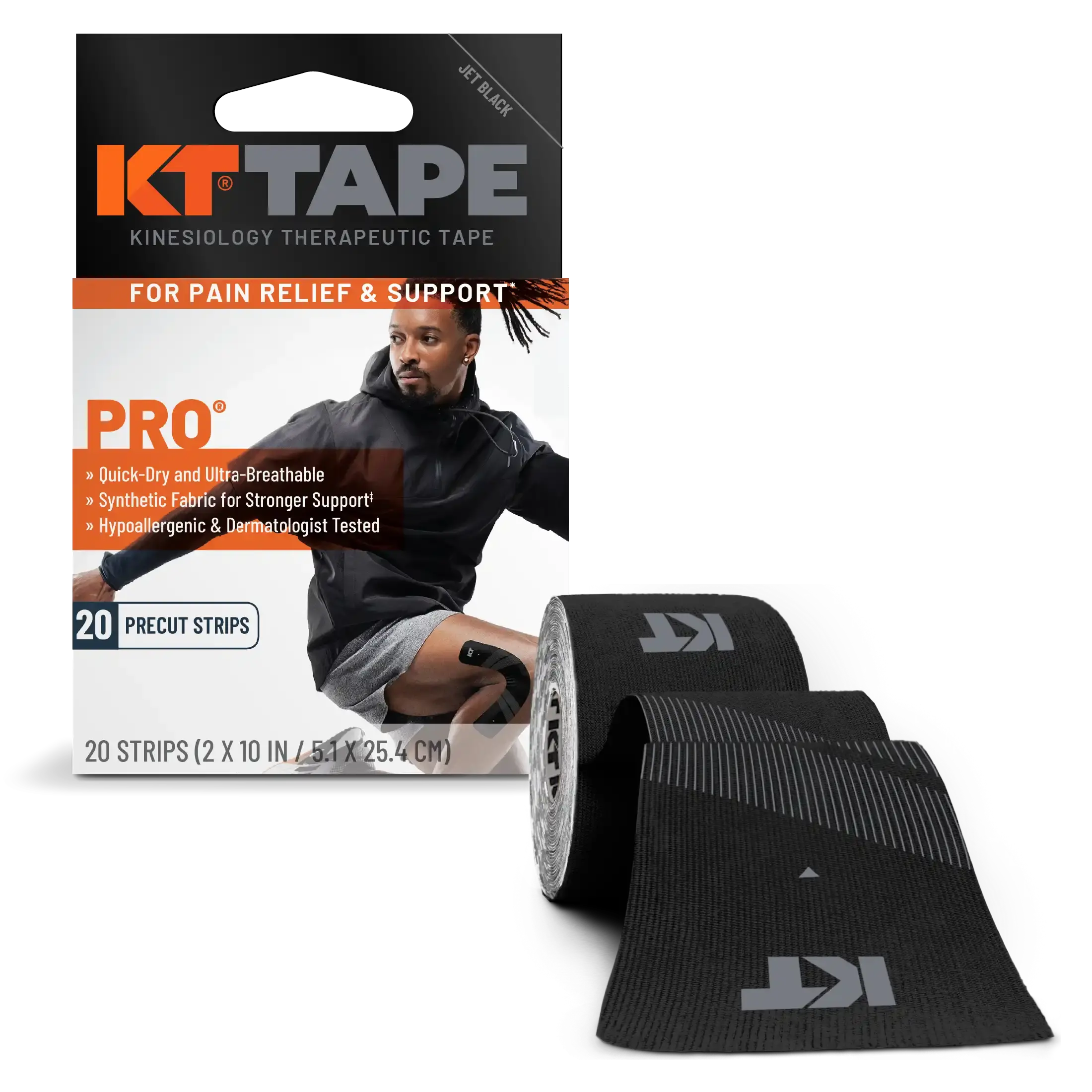
If you’re looking for a reliable, skin-safe option, KT Tape for lymphatic drainage is a great choice. It’s designed for sensitive skin, water-resistant, and available in various precut or roll formats for easy use.

Benefits of Lymphatic Drainage Taping
The growing popularity of lymphatic drainage taping isn’t just hype. When used consistently and correctly, users and professionals alike report a range of benefits:
1. Reduced Swelling and Fluid Retention
Facilitating lymph movement, the tape helps the body naturally eliminate excess fluids. This is particularly beneficial for people experiencing puffiness, swelling from injury, or post-surgical edema.
2. Improved Local Circulation and Detox Support
Better lymph flow means toxins, waste, and metabolic byproducts are cleared more efficiently, which can leave you feeling lighter and less sluggish.
3. Enhanced Recovery From Pain After Exercise or Injury
Athletes love kinesiology tape for its ability to ease sore muscles and reduce downtime from pain. Combined with lymphatic drainage taping, it can mean less pain during tissue healing and reduced local inflammation.
4. Relief from Lymphedema Discomfort
For those managing chronic swelling, taping can help complement lymphatic taping for lymphedema routines prescribed by therapists, promoting better fluid balance between sessions.
5. Better Skin Tone and Reduced Puffiness
Besides recovery, many users note aesthetic perks such as smoother-looking skin, reduced puffiness, and even improved contouring around the face and limbs.
Consistency and correct application are key here. Just as with manual lymph drainage, results build up over time, not overnight.
Kinesiology Tape vs. Manual Lymphatic Drainage
Manual lymph drainage (MLD) and kinesiology taping both aim to improve lymph flow, but they work in slightly different ways. MLD uses gentle, rhythmic massage strokes to manually stimulate lymph movement, while tape continues to support that flow 24/7 after the session ends during normal movement of the body.
Here’s how they complement each other beautifully:
-
After a drainage massage, applying kinesiology tape can extend the benefits for days.
-
Tape offers ongoing, low-intensity stimulation that helps maintain the momentum of manual therapy.
-
For people with mild swelling or those who want to support recovery at home, taping is a safe, convenient, and cost-effective tool.
The two methods can easily coexist in a holistic recovery plan. Think of it as your body’s dream team for detox, healing, and vitality.
Safety and Best Practices
Wondering if kinesiology tape is safe for lymphatic drainage? In most cases, yes. It’s gentle, non-invasive, and typically suitable for all skin types. However, there are a few things to keep in mind:
-
Always test a small patch first if you have sensitive skin.
-
Avoid using tape on open wounds, infections, or severe swelling without professional guidance.
-
For medical conditions such as post-surgical edema or chronic lymphedema, consult a physical or lymphatic therapist before applying.
-
Remove the tape gently to avoid skin irritation. Using baby oil can help ease removal.
When used properly, kinesiology taping becomes a simple yet powerful addition to your wellness arsenal.
The Verdict: More Than Just a Trend
At first glance, the lymphatic drainage taping technique might seem like another social media fad. But when you look closer, it’s clear this method stands on real physiological principles and years of professional use.
From athletes recovering after intense training sessions to individuals seeking relief from swelling or fatigue, kinesiology taping offers an accessible, evidence-based solution that bridges the gap between therapy and wellness.
When paired with other supportive methods like manual lymph drainage, hydration, and regular movement, it can support your body’s natural ability to heal and detoxify.
If you’re curious to try it yourself, start simple. Use a trusted product like KT Tape for lymphatic drainage, learn the basic techniques, and pay attention to how your body responds. With consistency and care, you’ll likely discover what many athletes, therapists, and wellness lovers already know — this is one wellness trend that actually works.

Written by KT Tape Team
The KT Tape Team is a collective of passionate experts in kinesiology, sports medicine, athletic training, and fitness innovation. United by a mission to empower movement and recovery, the team brings together decades of experience working with athletes—from elite professionals to weekend warriors—across a wide range of sports and activity levels. Through rigorous research, collaboration with healthcare professionals, and feedback from real users, KT Tape has developed a line of products trusted around the world for pain relief, support for injuries, athletic recovery, and empowering movement. Whether it's developing application guides, supporting major sporting events, or advancing the science of movement, the KT Tape Team is committed to helping people stay active, recover effectively, and perform at their best. KT Tape isn’t just a product—it’s a movement, and the team behind it is here to support yours.