Soft tissue therapy has become a go-to treatment for athletes, weekend gym warriors, and anyone dealing with muscle tension or nagging aches. If you’ve ever walked out of a therapy session feeling lighter, looser, and suddenly more aware of your posture — you know the relief is real. But you’ve probably also noticed that a few days later, the tension starts to creep back in. Muscles tighten again. Old movement habits return. That “I feel amazing” sensation fades faster than we’d like.
This is exactly where many therapists introduce KT Tape. Instead of trying to “hold on” to the benefits until your next appointment, KT Tape bridges the gap and helps keep your tissues supported, relaxed with less pain, and better aligned in your day-to-day movement. It's that quiet partner between sessions that helps you continue the healing process while you go about your life.
What Is Soft Tissue Therapy?
Soft tissue therapy focuses on the muscles, fascia, ligaments, and tendons — the connective tissues that help your body move smoothly and comfortably. Overuse, stress, repetitive motion, or poor posture can cause these tissues to stiffen, form adhesions, or develop trigger points. That’s when pain, limited mobility, and inflammation show up.
In a typical session, a therapist uses hands-on manual therapy to release tension, restore mobility, and encourage circulation. Working through layers of tissue, they help improve oxygen flow, reduce muscle guarding, and break down adhesions that restrict movement.
Soft tissue therapy is commonly recommended for:
-
Muscle strains and repetitive stress injuries
-
Chronic neck, shoulder, and back tension
-
Postural imbalances from desk or athletic work
-
Sports recovery and performance maintenance
-
Reduced range of motion or flexibility
For more detail on how these therapies are commonly used in clinical recovery, see this resource on Physical Therapy for Soft Tissue.
In short: soft tissue therapy is all about restoring the body to move the way it’s designed to.

Common Soft Tissue Therapy Techniques
Soft tissue therapy isn’t a one-size-fits-all approach. Your therapist selects techniques based on what your body needs in the moment, whether that’s tightness, inflammation, restricted movement patterns, or lingering soreness all influence the plan. Each method targets specific layers of muscle and fascia to restore balance, reduce pain, and encourage healing from the inside out.
Here’s a closer look at the most common techniques used during soft tissue therapy sessions:
Tissue Release Techniques
Sometimes, muscle and fascia develop small “knots” or adhesions that prevent the tissue from sliding smoothly. This can happen from stress, repetitive motion, or past injuries. Tissue release techniques are designed to break up these adhesions and soften areas that feel “stuck.”
Your therapist might use:
-
Sustained, gentle pressure to melt tension gradually
-
Slow, deliberate strokes along the muscle fibers
-
Trigger point release to ease deep, pinpointed tightness
The result is improved mobility, reduced pain, and a sense of deep relaxation in previously stiff or tender areas. It’s often the technique that makes you say, “Wow, I didn’t realize how tight that was.”
Tissue Mobilization Techniques
While tissue release focuses on softening individual muscles or tight spots, tissue mobilization works on restoring joint and full-body movement patterns. These techniques help tissues glide more smoothly over one another and support better coordination and flexibility.
Movement during tissue mobilization may be:
-
Therapist-guided (they move your limb while you relax)
-
Active-assisted (you participate by engaging certain muscles)
-
Dynamic (integrating gentle stretches and repetitive patterns)
This kind of work helps retrain your muscles and fascia to move together in a healthier, more fluid way and it’s especially helpful if you’ve been compensating or guarding due to pain.
Massage Techniques
Massage plays a big role in soft tissue therapy, but it’s not always the spa-like version you may imagine. Depending on your needs, your therapist might use:
-
Light, soothing strokes to calm the nervous system
-
Medium pressure to enhance blood flow and warm up tissues
-
Deep tissue massage to reach the underlying muscle layers
Massage encourages circulation, reduces inflammation, and promotes muscle relaxation. It often helps prepare the tissues for more targeted work, like release or mobilization, or can be used afterward to help muscles settle comfortably.
Integrated Tissue Massage Therapy
Most therapists blend techniques to create a treatment tailored uniquely to you. Integrated tissue massage therapy combines surface-level massage with deeper tissue manipulation, trigger point release, mobilization, and stretching. The goal is to restore functional balance, relieve pain, improve movement, and support better long-term muscle health.
It’s holistic, supportive, and highly individualized. No two sessions look exactly the same because no two bodies respond in the same way.
Results Build Over Time
While a single soft tissue session can bring noticeable relief, such as more range of motion, less pain, easier breathing, better posture, the real, lasting change happens across multiple sessions. Muscles need to unlearn old habits, fascia needs time to reorganize, and the nervous system needs repeated signals to relax and allow new movement patterns to take hold.
The challenge? Most people don’t live on the massage table. Daily life can quickly pull your tissues back into familiar tension patterns.
This is exactly why many therapists recommend KT Tape between sessions. It helps maintain the improvements gained during treatment, supporting your tissues as they adapt to healthier movement and alignment.
The Role of KT Tape Between Sessions
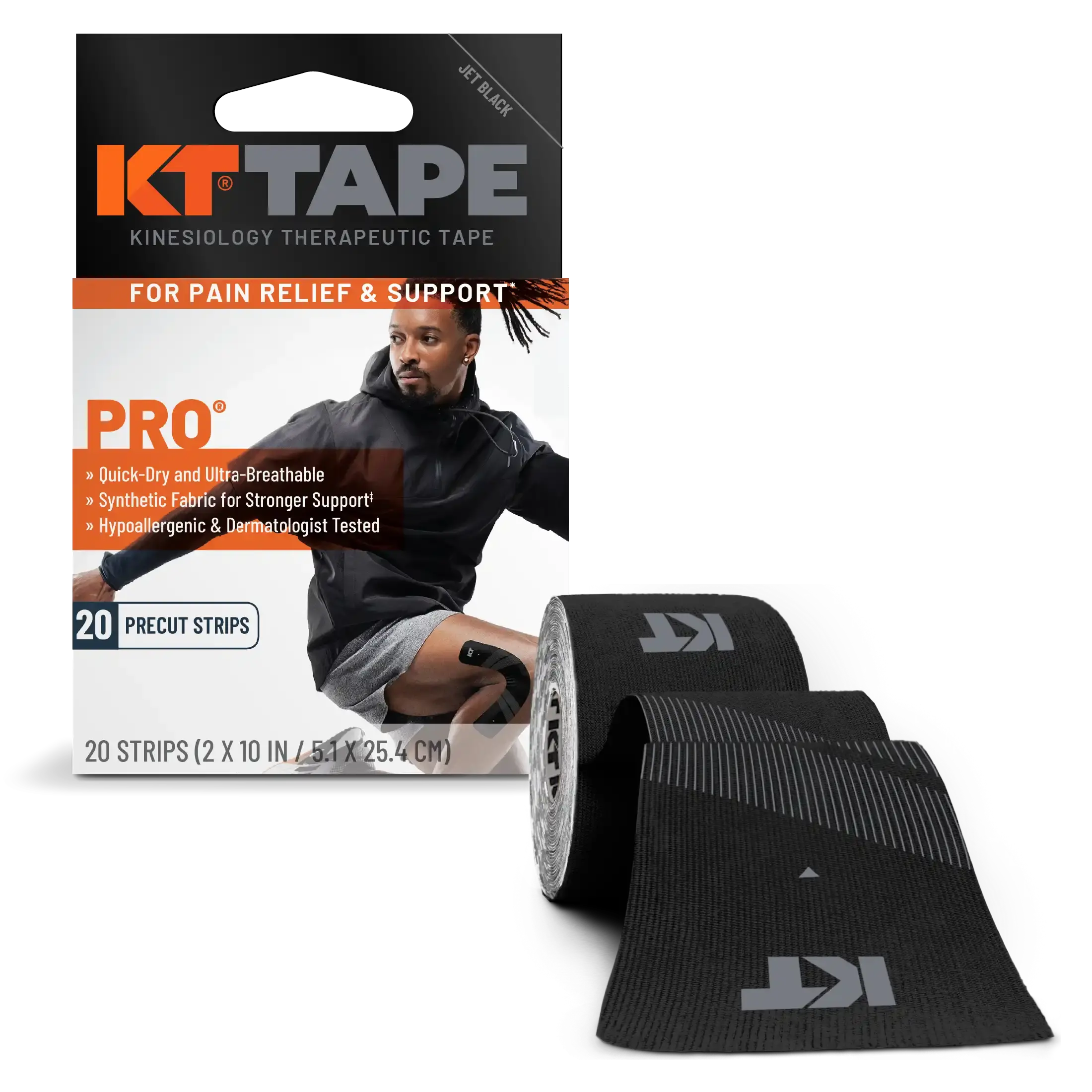
KT Tape, a popular branded form of kinesiology tape, is designed to support muscles and connective tissue without limiting movement. Instead of holding everything rigid, it moves with you.
After a therapy session, your tissues are more open, relaxed, and better aligned. But daily habits, sitting at a desk, lifting kids, athletic training sessions, or even stress can cause that tension to return. KT Tape helps maintain the changes made during your session.
How KT Tape works between sessions:
-
It provides a gentle supportive lift to the skin, improving local circulation and lymphatic drainage.
-
It reduces strain on recently released or mobilized tissues.
-
It helps maintain proper muscle activation and posture with reduced pain.
-
It supports natural movement patterns while encouraging stability.
Think of KT Tape as an extension of your therapist’s hands; it stays with you even when the appointment is over. For more detail on how these two work together, see KT Tape Complements Soft Tissue Therapy.

Benefits of Using KT Tape Between Soft Tissue Therapy Sessions
Supports Therapy Results
KT Tape helps reduce pain throughout your range of motion, so you can feel more confident with progress gained during therapy. Instead of your muscles slipping back into tension patterns, they stay supported for days.
Reduces Pain and Soreness
Some discomfort can appear after deep soft tissue work as the body adjusts. KT Tape gently stabilizes affected tissues, helping reduce soreness.
Encourages Healthier Movement Patterns
Muscles and fascia don’t just need to be loosened; they need to relearn how to move. KT Tape cues the body to maintain improved posture and movement patterns naturally through proprioceptive benefits.
Enhances Local Circulation for Faster Recovery from Pain
That micro-lifting effect allows fluids to move more efficiently through tissue layers*, delivering oxygen and clearing metabolic waste. All so you can feel at your best.
Supports Active Recovery
You don’t have to sacrifice training days or daily movement. KT Tape allows you to stay active without compromising the healing process.
How to Use KT Tape for Post-Therapy Support
Your therapist may apply KT Tape at the end of your session or teach you how to apply it at home. Proper application increases its effectiveness.
General guidelines include:
-
Apply tape to clean, dry skin.
-
Follow the direction of the muscle or joint being supported.
-
Use the correct tension. Your therapist will guide this based on your needs.
-
The tape can typically be worn for 3–5 days, even through showers and workouts.
KT Tape is not intended to replace soft tissue therapy. Instead, it complements it by helping maintain progress and comfort between appointments. For long-term recovery and function improvement, both work best together.
When to Consult a Therapist
KT Tape works well for most people who are receiving soft tissue therapy — from gym-goers and runners to those managing chronic muscle tightness. It’s gentle, supportive, and designed to move with your body, which makes it easy to wear during everyday activities. But there are moments when it’s important to pause and check in with your therapist.
If your pain is increasing instead of improving, if you’ve recently had a new injury, or if swelling and bruising don’t begin to calm down after a few days, it’s a sign your body may need more targeted care. The same is true if you have a history of skin sensitivity, circulation issues, or conditions that affect how your connective tissues heal.
In these situations, your therapist can guide you on how to use KT Tape safely and effectively. They may adjust how the tape is applied, change the level of tension, or suggest specific taping patterns for better support. They’ll also make sure your soft tissue therapy plan evolves as your body responds to treatment. KT Tape is most effective when used as part of a bigger recovery strategy and your therapist is there to help you get the most out of it.
Conclusion
Soft tissue therapy helps restore comfort, mobility, and healthier movement but recovery doesn’t stop when the session ends. KT Tape provides the ongoing support your body needs to hold on to those benefits so you can move better with less pain. It reduces pain from strains, enhances local circulation, and encourages improved posture and motion patterns in everyday life.
When you combine soft tissue therapy sessions with the supportive effects of KT Tape, you manage pain while actively improving how your body functions and feels.
A small piece of tape can make a surprisingly big difference. And your therapist recommends it for a reason — it keeps progress going.

Written by KT Tape Team
The KT Tape Team is a collective of passionate experts in kinesiology, sports medicine, athletic training, and fitness innovation. United by a mission to empower movement and recovery, the team brings together decades of experience working with athletes—from elite professionals to weekend warriors—across a wide range of sports and activity levels. Through rigorous research, collaboration with healthcare professionals, and feedback from real users, KT Tape has developed a line of products trusted around the world for pain relief, support for injuries, athletic recovery, and empowering movement. Whether it's developing application guides, supporting major sporting events, or advancing the science of movement, the KT Tape Team is committed to helping people stay active, recover effectively, and perform at their best. KT Tape isn’t just a product—it’s a movement, and the team behind it is here to support yours.