If you’ve ever felt a sharp pinch or dull ache along the inside of your ankle when you first stand up in the morning, or halfway through a run, you know how frustrating inside ankle pain can be. It often sneaks up slowly. One day everything feels fine, and the next, your ankle has this stubborn soreness that seems to linger no matter how much you stretch it.
And the confusing part? It doesn’t always come from a dramatic twist or obvious injury. Many runners, walkers, and active adults experience pain building over time from repeated strain, weak foot muscles, footwear that doesn’t support the arch, or tightness in the lower leg. Before long, the ankle feels tender, unstable, or even sore all the way up the inside of the lower leg.
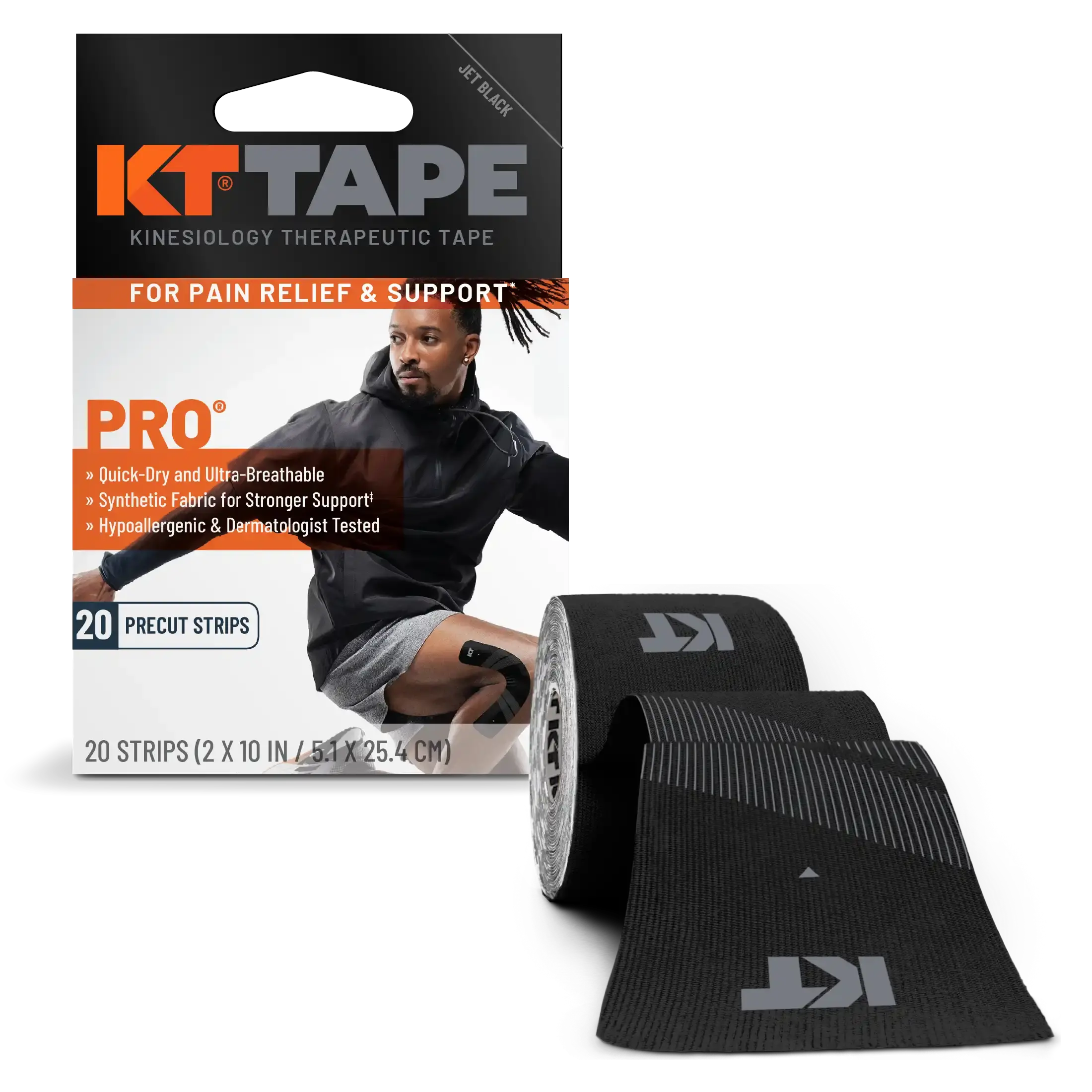
This is where KT Tape can step in as a supportive partner. It can help reduce strain, improve local circulation, and give your ankle the extra stability & support it needs while you stay active.
Let’s break down what causes inside ankle pain, how to treat it, and how KT Tape can help you stay moving comfortably.
Understanding Inside Ankle Pain
Inside ankle pain refers to discomfort along the medial side of the ankle, near the ankle bone on the inside of your foot. This area houses several important structures, including:
-
The posterior tibial tendon, which helps support your arch
-
The medial malleolus, the bony bump on the inside of the ankle
-
The tarsal tunnel, where nerves pass through to the foot
-
Supporting ligaments and muscles extending into the lower leg and heel
Pain in this region often develops from overuse, not just sudden accidents. Repeated loading (like running on hard pavement or wearing unsupportive sneakers) can irritate or weaken the tendon and surrounding tissues.
However, inside ankle pain can also involve mild or moderate ankle sprains.

Common Causes of Inner Ankle Pain
Inner ankle pain doesn’t always come from one obvious problem. In fact, a few different muscles, tendons, and nerves can be involved. Knowing what’s behind the discomfort is the first step to treating it effectively. Some of the most frequent causes include:
Posterior Tibial Tendonitis / Dysfunction
The posterior tibial tendon runs along the inside of the ankle and helps maintain your arch. When it becomes inflamed or overstressed, it leads to pain near the ankle bone and sometimes into the lower leg. If the tendon becomes weak over time, the arch may even start to collapse, which is commonly associated with tibial tendon dysfunction.
Tarsal Tunnel Syndrome
This condition involves compression of the tibial nerve as it runs through the tarsal tunnel. It often causes burning, tingling, or numbness along the sole of the foot and inner ankle. The discomfort may feel worse after long periods of standing or walking. Some people also report sharp, shooting sensations that resemble “electric” pain along the foot’s inner edge.
Medial Ankle Sprains
Twisting the ankle inward can stretch the ligaments on the inner side of the foot. Even mild sprains can leave lingering stiffness and tenderness. The ankle may feel unstable when moving side-to-side or changing direction quickly. Swelling can also develop around the inner ankle bone, making daily movement uncomfortable.
Overuse and Running Strain
Hard surfaces, long-distance training, and worn-out shoes can overload the ankle and posterior tibial tendon. This repetitive stress gradually weakens muscles and connective tissues over time. Runners may notice soreness more intensely the morning after activity, especially when taking the first few steps of the day. Without proper support, the ankle may start to feel fatigued or “flat” during movement.
Referred Pain from the Lower Leg
Tight calf muscles can pull on the structures near the ankle, creating pain even without a direct ankle injury. When the muscles and tendons in the lower leg are overworked, they can alter how the foot absorbs impact. This often leads to compensations in walking or running form, increasing pressure on the inner ankle. Addressing the source in the calf can significantly reduce stress placed on the ankle joint.
Symptoms to Notice Early
Inside ankle pain can present in different ways, including:
-
A sharp or pinching pain along the inside of the ankle bone
-
Swelling or tenderness when you press the area
-
Pain that travels upward into the inner lower leg
-
A feeling of weakness or instability when walking or running
-
Burning or tingling sensations (often linked to nerve involvement)
Catching the signs early can prevent the pain from progressing into long-term tendon issues.
Inside Ankle Tendon Pain Treatment
The good news is that many cases of inside ankle pain improve with consistent at-home care, especially when you catch the discomfort early, before it becomes a long-term issue. The first step is to give the tendon time to recover: reducing or pausing high-impact activities like running and jumping allows inflammation to calm down. Applying ice during the first few days can also help minimize swelling and soreness; if you want a deeper guide on how cooling techniques aid recovery, check out this resource on cold therapy.
Once the initial irritation settles, gentle stretching of the calf and the muscles along the inner lower leg can help release tension that may be pulling on the tendon. Strengthening exercises, especially slow, controlled heel raises, are key for rebuilding ankle and arch support. Footwear matters here, too. Shoes with solid arch structure or custom orthotics can help reduce overpronation, which is a common cause of stress on the posterior tibial tendon.
To support the ankle during daily movement or exercise, kinesiology taping such as KT Tape can be applied to lift the skin, reduce strain on the tendon, and encourage healthy alignment. Unlike rigid braces, KT Tape provides stability while still allowing natural movement, making it a great tool for recovery that doesn’t stop you from staying active. Many people find that taping lets them move with less discomfort while the tendon gradually heals and strengthens.

How KT Tape Helps Inner Ankle Pain
KT Tape is designed to mimic the elasticity of your skin and muscle, offering a flexible support system that moves with you. It’s especially helpful for conditions involving the posterior tibial tendon.
KT Tape can help:
-
Reduce strain on the posterior tibial tendon, easing pain
-
Improve ankle stability and alignment during movement
-
Stimulate local circulation, which can reduce swelling and support the healing process
-
Provide neuromuscular feedback (proprioception) which may help reduce overpronation and improper step patterns
This makes KT Tape an excellent option for people who want relief while walking, working, or exercising, not just when they’re resting. If you’re curious about how taping supports muscles, reduces strain, and encourages recovery, you can learn more about the benefits of using KT tape in this detailed breakdown.
Combining KT Tape with Physical Therapy
KT Tape doesn’t replace rehabilitation, it improves it and supports your other efforts. Many physical therapists include taping as part of a treatment approach that also involves:
-
Manual soft tissue release
-
Mobility drills
-
Strengthening for the foot and ankle
-
Balance and stability training
Taping keeps the ankle supported between sessions, so you maintain the benefits all day. Simple movements like ankle circles, towel scrunches, and calf raises all complement KT Tape support.
Prevention & Long-Term Recovery Tips
Once the initial pain begins to ease, the next step is keeping your ankle strong and supported so the discomfort doesn’t return. Consistency is key here. Start by warming up gently before activity as mobilizing your ankles and loosening the calf muscles helps increase blood flow and prepares the tendon for movement. Regular stretching of the calves and the posterior tibialis muscle can also reduce tension along the inside of the ankle, making it easier for the tendon and ligaments to work without strain.
Footwear plays a major role in ankle health. Shoes with good arch support and a stable heel can help prevent the foot from rolling inward excessively, which is a common factor behind inside ankle pain. If you’ve recently increased your running distance or added new workouts, try ramping up gradually; the body responds best to slow, steady progress.
And if you know you’ll be more active, like training for a race, hiking, or spending long days on your feet, using KT Tape proactively can help reduce re-irritation by supporting alignment and reducing tendon load. Think of it as giving your ankle an extra layer of gentle reinforcement.
When to See a Doctor
Although many cases of inside ankle pain can improve with thoughtful self-care, there are times when professional evaluation is the safest next step. If the pain hasn’t improved after a few weeks, if you’re noticing persistent swelling, or if walking is becoming increasingly uncomfortable, an assessment can help rule out more serious tendon or ligament concerns. Also take note of changes in your arch or foot shape as this can signal that the posterior tibial tendon needs more structured support.
Seeing a doctor early can prevent minor tendon irritation from progressing into a long-term issue, keeping you active, comfortable, and confident in your movement.
Conclusion
Inside ankle pain is incredibly common among runners, active individuals, and those on their feet often. It doesn’t always come from a dramatic injury; sometimes it’s simply the result of everyday strain.
With early care, targeted exercises, supportive footwear, and the added stabilization of KT Tape, you can relieve pain, protect the posterior tibial tendon, and move more comfortably through your day.
Healthy movement is empowering and your ankles deserve to feel strong and supported while you keep going. If you’re ready for guided support, explore KT Tape’s ankle application tutorials to help you tape confidently and start feeling relief today.

Written by KT Tape Team
The KT Tape Team is a collective of passionate experts in kinesiology, sports medicine, athletic training, and fitness innovation. United by a mission to empower movement and recovery, the team brings together decades of experience working with athletes—from elite professionals to weekend warriors—across a wide range of sports and activity levels. Through rigorous research, collaboration with healthcare professionals, and feedback from real users, KT Tape has developed a line of products trusted around the world for pain relief, support for injuries, athletic recovery, and empowering movement. Whether it's developing application guides, supporting major sporting events, or advancing the science of movement, the KT Tape Team is committed to helping people stay active, recover effectively, and perform at their best. KT Tape isn’t just a product—it’s a movement, and the team behind it is here to support yours.