Why Travel, Fatigue, and Recovery May Matter More Than Ever
When the world's best soccer players take the field this summer, fans will focus on the goals, dramatic finishes, and unforgettable moments. What many won't see is the challenge happening between matches: recovery.
Elite soccer tournaments have always demanded extraordinary physical performance, but this year's competition presents a unique obstacle. With matches taking place across a vast geographic footprint, athletes may face significantly more travel between games than in previous global tournaments. That means more time spent in airplanes, buses, hotels, and transit—and less time dedicated to recovery, rehabilitation, training, and preparation.
For players competing at the highest level, every hour of recovery matters.
The Physical Demands of Tournament Soccer

A single soccer match places tremendous demands on the body. Research has shown that elite players can cover six to eight miles during a match while performing repeated sprints, changes of direction, jumps, tackles, and explosive movements.
Unlike many sports that allow for frequent substitutions and rest periods, soccer often requires players to maintain a high work rate for 90 minutes or more. When matches are scheduled only a few days apart, recovery becomes just as important as performance.
Common physical challenges players experience throughout tournament play include:
- Muscle fatigue
- Muscle soreness
- Tight calves, hamstrings, and quadriceps
- Hip flexor and groin discomfort
- Knee irritation
- Ankle stress
- Lower back tension
- General overuse discomfort from repetitive movement
As the tournament progresses, accumulated fatigue can affect how players move, recover, and perform.
How Increased Travel Can Impact Recovery
Travel is often an overlooked component of athletic performance.
Long flights and extended periods of sitting can contribute to muscle stiffness, reduced mobility, and feelings of fatigue. Crossing multiple time zones may also disrupt sleep quality, making it more difficult for the body to recover between matches.
For soccer players competing in a condensed tournament schedule, travel can influence:
Recovery Time
Hours spent traveling are hours not spent sleeping, receiving treatment, training, or actively recovering.
Hydration Status
Air travel can contribute to dehydration, which may impact physical performance and recovery if not properly managed.
Muscle Stiffness
Remaining seated for extended periods can leave muscles feeling tight and restricted, particularly in the hips, lower back, calves, and hamstrings.
Overall Fatigue
The combination of travel, competition, media obligations, and training can create cumulative physical and mental fatigue throughout a tournament.
For athletes, recovery isn't simply about resting—it's about helping the body remain ready to perform again and again.
Why Blood Flow Plays Such an Important Role in Recovery
One of the most important components of post-exercise recovery is healthy circulation.
Blood flow helps deliver oxygen and nutrients throughout the body while supporting natural recovery processes following intense physical activity. Athletes often prioritize recovery strategies that help them stay mobile, maintain flexibility, and support circulation between training sessions and competition.
This is why many elite athletes incorporate recovery tools such as mobility work, stretching, massage, compression, hydration strategies, and kinesiology tape into their routines.
While no single recovery tool can eliminate fatigue, maintaining movement and supporting circulation can be an important part of a comprehensive recovery plan.
Common Soccer Areas That Need Extra Attention
Throughout a demanding tournament schedule, certain areas of the body are placed under constant stress.
Knees

Repeated sprinting, deceleration, cutting, and directional changes can create ongoing stress around the knee joint.
Hamstrings
High-speed running places significant demand on the hamstrings, making them one of the most heavily utilized muscle groups in soccer.
Calves and Achilles
Acceleration, jumping, and repeated changes of pace can leave the lower leg muscles feeling fatigued and sore.
Lower Back
Travel, sitting for extended periods, and high training loads can contribute to lower back discomfort.
Ankles

The constant demands of running, cutting, and contact can make ankle support and maintenance an important focus for athletes.
Supporting Recovery Between Matches
Professional athletes often use a variety of strategies to help manage the physical demands of competition, including:
- Prioritizing quality sleep
- Maintaining hydration
- Active recovery sessions
- Mobility and stretching routines
- Proper nutrition
- Massage and soft tissue work
- Recovery-focused movement
- Kinesiology tape applications
These tools work best when incorporated into a larger recovery strategy designed to keep athletes moving and performing at their best.
How KT Tape Fits Into a Recovery Routine
Whether you're an elite soccer player competing on the global stage or an everyday athlete preparing for your next training session, recovery matters.
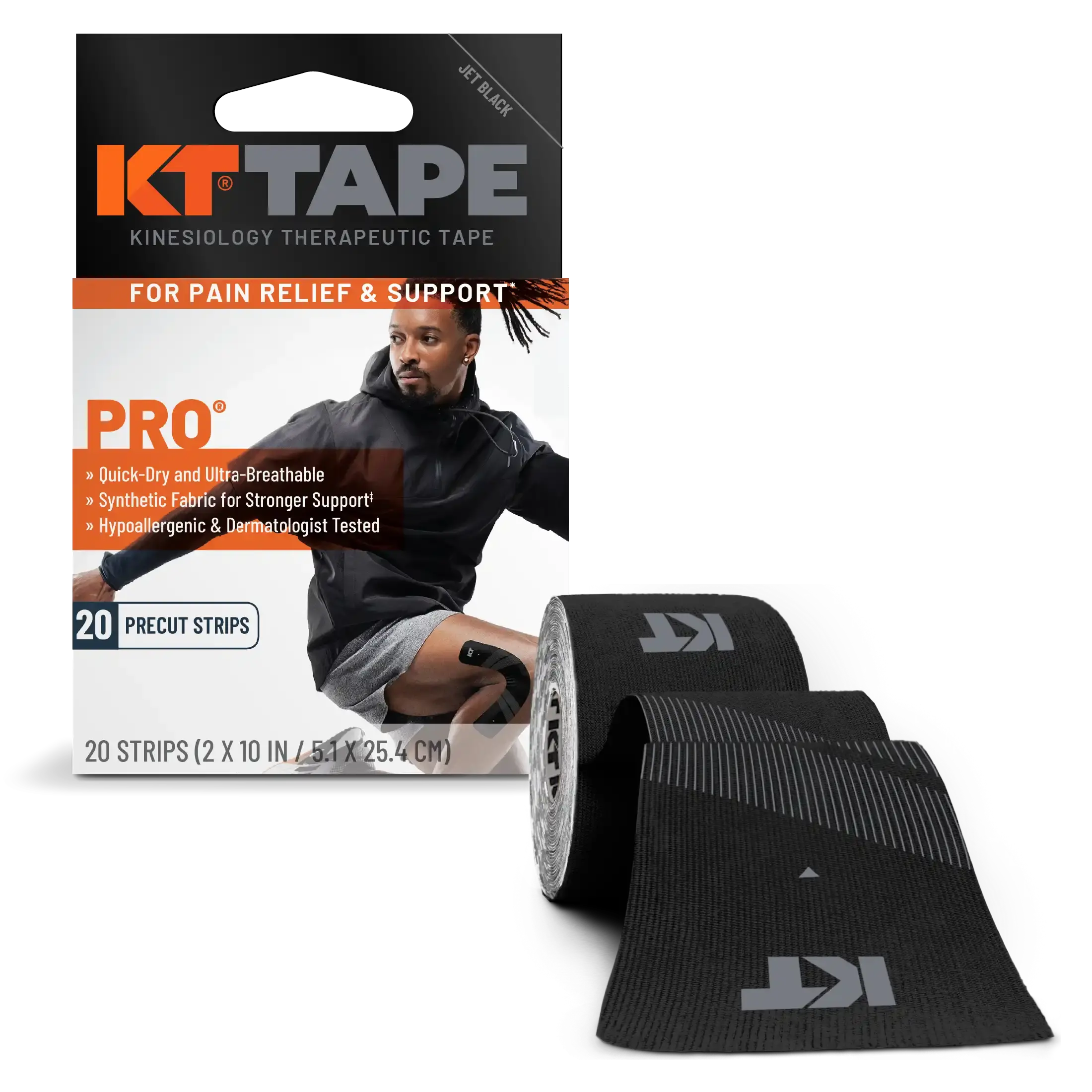
KT Tape® is designed to provide targeted support for muscles, joints, and tendons while helping reduce pain associated with common athletic activities. When properly applied, KT Tape gently lifts the skin, creating space that can help increase local blood flow and support movement without restricting range of motion.

For soccer players and active individuals alike, KT Tape can be used to support commonly stressed areas such as:
- Knees
- Hamstrings
- Calves
- Ankles
- Shoulders
- Lower back
Because KT Tape is lightweight, water-resistant, and designed to stay in place for multiple days, it can be a convenient option during travel, training, recovery days, and competition.
Recovery Is Part of Performance
The biggest soccer tournament on the planet may be won on the field, but preparation happens everywhere else.
As athletes navigate packed schedules, long-distance travel, demanding match loads, and the physical toll of elite competition, recovery will play a critical role in helping them stay ready for the next challenge.
Whether you're inspired by the world's best players or preparing for your own next game, run, workout, or adventure, supporting recovery is one of the smartest investments you can make in your performance.
Because every great performance starts with staying ready to move.
Explore KT Tape Recovery & Support Solutions
Looking for support during training, competition, or recovery? Explore KT Tape's lineup of kinesiology tapes and pain relief solutions designed to help you move with confidence wherever your next adventure takes you.