If you’ve ever woken up with tight hips, stiff shoulders, or that nagging tension between your shoulder blades that just won’t quit, you’re not alone. Active people, desk workers, weekend warriors, new parents, and athletes all experience some occasional (or constant) muscle tightness. And when that tension sticks around, it can limit movement, affect performance, and even change the way the body feels during everyday tasks.
Soft tissue therapy is one of the most effective ways to release muscle tension and restore comfortable, natural movement. And when it’s paired with kinesiology tape, the benefits don’t just end once you leave the clinic or finish your stretching routine — they keep working long after the session is over.
Soft tissue mobilization improves the quality, elasticity, and function of muscles and fascia. Kinesiology tape helps you in efforts to maintain that improved mobility by supporting the tissues, encouraging fluid movement locally, and reducing pain. One prepares the body, the other can help you protect the progress.
Let’s explore how they work together to relieve pain, improve movement, and help your body feel good again.
What Is Soft Tissue Mobilization?
Soft tissue mobilization is a hands-on therapy technique commonly used in physical therapy and athletic rehabilitation. It focuses on treating muscles, tendons, ligaments, and fascia (the connective tissue that envelopes the entire body). The goal is to relieve tension, reduce pain, and restore natural movement patterns.
During soft tissue mobilization, a therapist applies targeted pressure, stretching, and movement to areas that feel tight or restricted. This helps:
-
Break down adhesions and scar tissue
-
Improve circulation to promote healing
-
Reduce stiffness and discomfort
-
Restore muscle elasticity and function
Soft tissue mobilization often focuses on areas prone to stress and overuse, such as the hamstrings, piriformis muscle, quadratus lumborum (a deep lower-back stabilizer), forearms and wrists (common in carpal tunnel symptoms), and the muscles around the spine.
Compared to general massage, soft tissue mobilization is more structured and therapeutic. It targets the root cause of pain instead of simply relaxing the surface muscles.
Common Soft Tissue Mobilization Techniques
There isn’t just one way to perform soft tissue mobilization. Therapists use several techniques depending on your movement patterns, injury history, and goals.
Manual Therapy
This involves using hands and fingers to apply pressure and stretch muscles and fascia. The therapist may hold pressure on trigger points (knots) or guide your limbs through movement to release tension.
Instrument-Assisted Soft Tissue Mobilization (IASTM)
IASTM uses tools — often smooth-edged massage scrapers or handheld muscle tools — to help break up scar tissue and stimulate circulation. This is especially useful for chronic tightness and post-injury scar tissue.
Active Release and Trigger Point Techniques
Active release involves moving the muscle through its range of motion while applying pressure. Trigger point therapy targets localized knots that limit movement.
Many people also use at-home tools like foam rollers, massage guns, and massage balls to maintain the benefits between sessions.
A therapist chooses the technique based on your needs. For example:
-
Hamstring tightness from running may benefit from deep manual stretching.
-
Piriformis tension can require slow pressure and hip movement.
-
Carpal tunnel-related discomfort in the wrist and forearm often responds well to gentle ASTM and stretching.

Benefits of Soft Tissue Mobilization
Soft tissue mobilization can make a noticeable difference in how your body feels and moves. Benefits include:
-
Reduced pain and muscle soreness
-
Improved mobility and flexibility
-
Breakdown of adhesions and scar tissue
-
Better circulation and nutrient delivery
-
Enhanced muscle coordination and function
These benefits support both recovery and prevention. It’s just as helpful for someone returning from injury as it is for someone who wants to maintain optimal mobility for training or daily life.
Where Kinesiology Tape Fits In
You’ve probably seen athletes wearing colorful tape on their knees, shoulders, backs, or calves. That’s kinesiology tape and it’s not just for show.
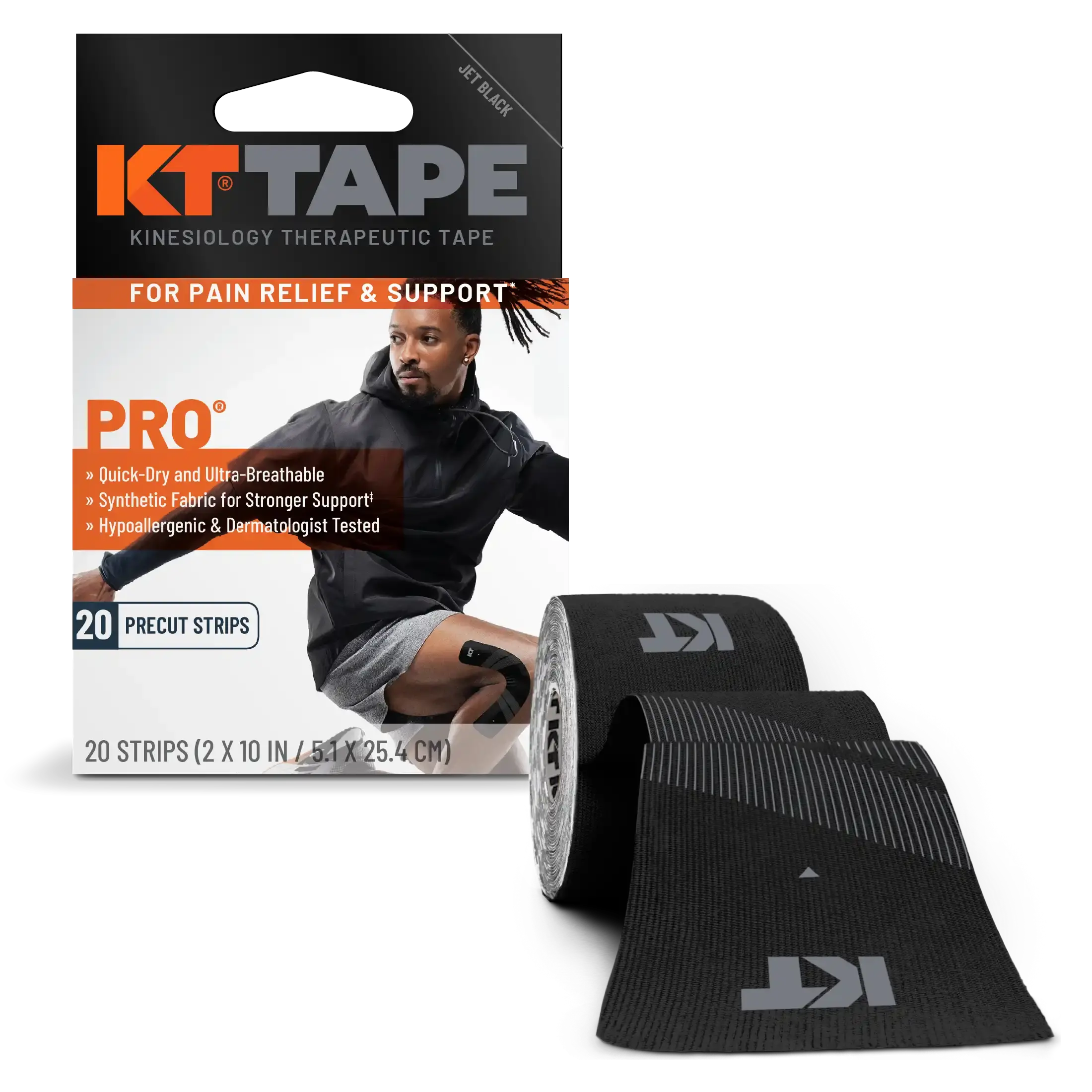
Kinesiology tape is designed to relieve pain and provide light support to muscles and joints. It does this by providing a gentle lift to the skin. This lift increases space for blood and lymphatic flow, which may help reduce inflammation and support the body’s natural healing process. After soft tissue mobilization has released tension and restored movement, kinesiology tape helps keep things working smoothly.
It can:
-
Reduce pressure on irritated tissues
-
Support muscles without restricting movement
-
Improve body awareness and posture
-
Help maintain mobility gains between sessions with less pain
Examples of how tape supports recovery:
-
After a hamstring release session, taping may help maintain muscles and general alignment while running.
-
When dealing with carpal tunnel discomfort, taping the wrist can reduce strain and improve wrist stability.
-
After releasing the piriformis or hip muscles, taping supports improved hip mechanics and reduces soreness.
Think of soft tissue mobilization as the reset and kinesiology tape as the reinforcement.
Soft Tissue Mobilization + Kinesiology Tape: The Perfect Combo
Soft tissue mobilization and kinesiology tape work incredibly well together because each one enhances what the other starts. Think of soft tissue work as creating change in the body, and kinesiology tape as helping the body hold onto those changes with less pain.
During soft tissue therapy, the muscles and fascia are encouraged to relax, release tension, and move more freely. This helps break up adhesions (those stubborn “stuck” spots), improves circulation, and restores mobility in areas that may have felt tight or limited. The result is a lighter, more open feeling in the body — the kind of relief you notice immediately when you stand up, stretch, or take a deep breath.
Kinesiology tape steps in next to reinforce that progress. The gentle lift created by the tape increases space in the tissues just under the skin, which promotes better blood and lymphatic flow*. That natural fluid movement helps reduce swelling, tenderness, and inflammation — all things that commonly show up after deep tissue work or injury. At the same time, the tape provides subtle “movement awareness.” You don’t feel restricted, but you do feel supported. It’s like a quiet reminder to move with better alignment and more control.
Together, this creates a powerful recovery cycle:
-
Soft tissue mobilization frees movement, breaks up adhesions, and restores range of motion.
-
Kinesiology tape maintains those improvements, reduces pain, and helps guide your body into healthier patterns during the day.
Because these two therapies complement each other so well, you may even notice:
-
Longer-lasting relief — improvements don’t disappear after a few hours.
-
Better mobility throughout the day — everyday tasks feel easier and more fluid.
-
Improved return to your best performance in workouts, running, or training — your body moves with less resistance.
-
Faster recovery from pain after intense exercise or repetitive movements — your tissues stay supported as they heal.
In short: soft tissue mobilization helps you feel better now, and kinesiology tape helps you stay feeling better from pain longer.

Tips for Using Kinesiology Tape During Recovery
To maximize the benefits of this combination, timing and placement of the tape matter. Here’s how to make the most of your taping routine:
After your soft tissue session or self-massage, give your muscles a few minutes to settle, then apply kinesiology tape while the area is relaxed and has full mobility restored. This allows the tape to “lock in” that improvement to your pain receptors.
Kinesiology tape is designed to stay on for several days,usually 3–5 days, and you can shower, train, and go about your daily life normally while wearing it. The continuous support is what makes taping so helpful: it works quietly in the background even while you sleep or move around.
For best results, use taping alongside:
-
Light daily stretching
-
Gentle mobility routines
-
Strength and stability exercises as recommended by your therapist
If you’re new to taping or still building confidence with placement, don’t worry, it gets easier with a little practice. A helpful place to start is this step-by-step guide on how to apply KT tape, which walks you through taping for different areas of the body and explains techniques for secure, long-lasting application. Following a guided approach ensures the tape supports the right structures, moves with your body, and delivers the recovery benefits you’re looking for.
And as always, listen to your body. If you notice unusual swelling, numbness, sharp pain, or symptoms that don’t improve, it’s a good idea to get a professional assessment so your recovery can stay safe and effective.
When Should I Avoid Soft Tissue Mobilization?
Soft tissue mobilization is safe for most people, but it’s best to avoid it if:
-
You have an active infection or fever
-
There is open skin, rash, or irritation
-
You have a condition affecting blood clotting
-
You are recovering from surgery without medical clearance
If you’re unsure, a physical therapist can help determine what’s appropriate.
Stronger Movement Starts with Smart Recovery
Soft tissue mobilization helps your muscles and connective tissues move the way they’re meant to — smooth, elastic, and pain-free. Kinesiology tape helps maintain those improvements so you can keep feeling and performing your best.
Together, they create a powerful recovery system:
-
Soft tissue work restores mobility.
-
KT Tape supports natural movement and ongoing healing.
If your goal is to move comfortably, train consistently, and recover fully, combining these two techniques can make all the difference.
Want to keep your progress going between therapy sessions? Pair your next mobility routine with supportive KT Tape — your body will thank you.

Written by KT Tape Team
The KT Tape Team is a collective of passionate experts in kinesiology, sports medicine, athletic training, and fitness innovation. United by a mission to empower movement and recovery, the team brings together decades of experience working with athletes—from elite professionals to weekend warriors—across a wide range of sports and activity levels. Through rigorous research, collaboration with healthcare professionals, and feedback from real users, KT Tape has developed a line of products trusted around the world for pain relief, support for injuries, athletic recovery, and empowering movement. Whether it's developing application guides, supporting major sporting events, or advancing the science of movement, the KT Tape Team is committed to helping people stay active, recover effectively, and perform at their best. KT Tape isn’t just a product—it’s a movement, and the team behind it is here to support yours.