If you’ve ever felt an uncomfortable pinch, ache, or burning sensation along the inner part of your knee, especially when running, climbing stairs, cycling, or sitting with your legs folded, you know how quickly knee pain can interrupt your flow. For many active adults, this pain comes and goes, making workouts feel unpredictable. One day everything feels smooth and strong; the next, even bending your knee feels wrong.
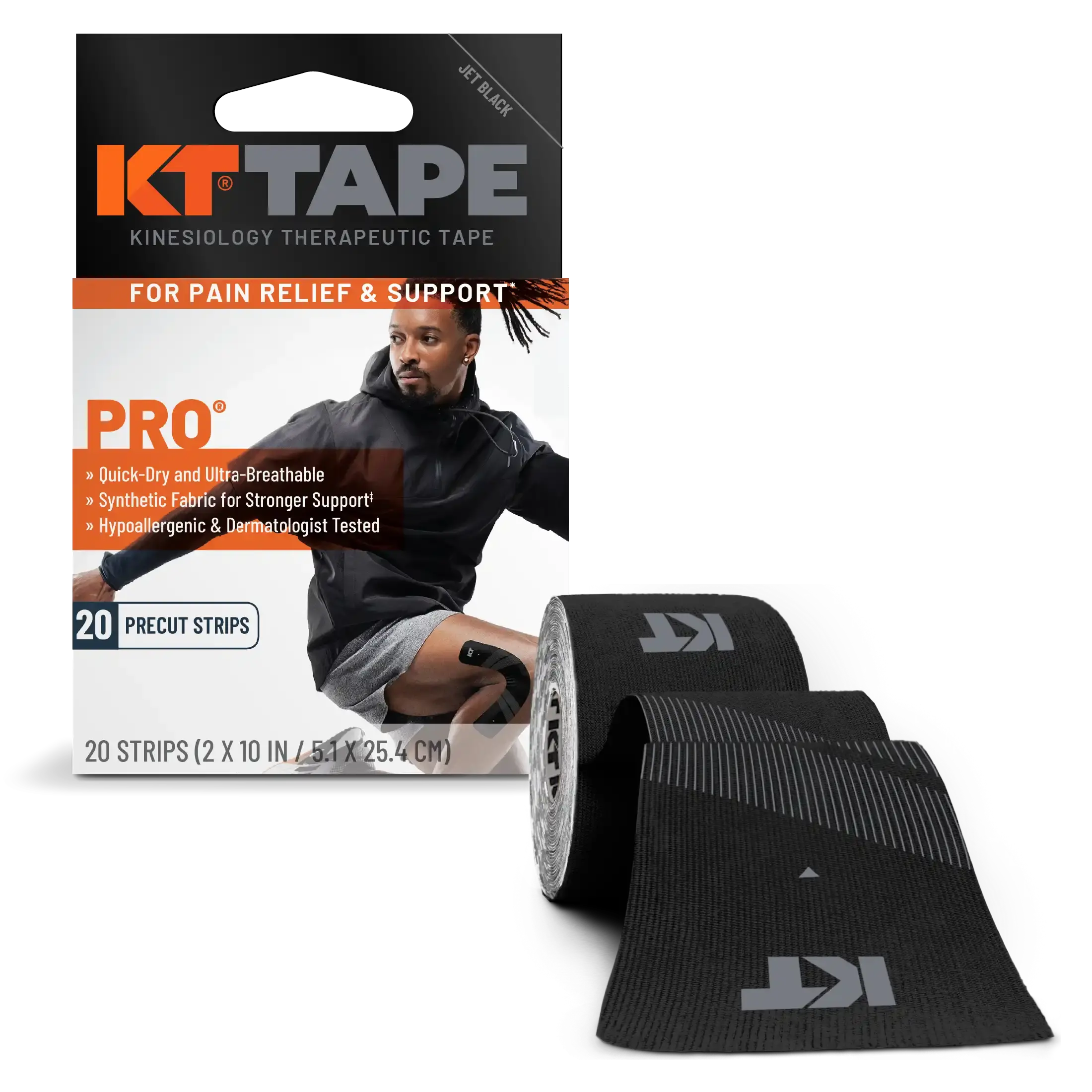
A lesser-known yet surprisingly common reason for this inner knee discomfort is plica syndrome. It sounds complex, but here’s the good news: once you understand what's causing the irritation, you can take practical steps to manage it. One of the most supportive tools during recovery is KT Tape — a simple taping method that helps reduce pain, ease swelling, and keep your knee supported as you move.
This guide breaks down what plica syndrome feels like, why it happens, and how taping, exercises, and recovery techniques can help you get back to pain-free movement.
What Is Plica Syndrome?
Inside your knee joint is a thin layer of tissue called the synovial lining, which helps the knee move smoothly. In many people, this lining forms small folds, called plicae. Normally, they cause no issues. But when the medial plica (the fold closest to the inner knee) becomes irritated or inflamed, movement begins to feel uncomfortable, this is called plica syndrome.
People often describe the pain as:
-
A soreness or tenderness along the inner edge of the kneecap
-
A clicking or rubbing sensation when bending or straightening the knee
-
A feeling like something is “catching” inside the joint
Because its symptoms are similar to a meniscus tear or patellar tendon irritation, plica syndrome is sometimes misdiagnosed. Understanding your pain pattern is key.
Because the symptoms of plica syndrome can feel similar to issues like meniscus irritation or tendon strain, it’s helpful to understand the broader range of knee pain causes and how they differ.
What Causes Inner Knee Pain?
Inner knee pain can show up for many reasons, but when the medial plica becomes irritated, the cause is usually linked to overuse or friction inside the joint.
Common triggers include:
-
Repetitive bending motions from running, cycling, or stair climbing
-
Muscle imbalances, especially tight quads or weak glutes and hips
-
Biomechanical stress, such as overpronation while walking or running
-
Prior knee injury that left behind scar tissue
-
Sitting cross-legged or kneeling for long periods
Who Is at Risk?
-
Runners and joggers
-
Cyclists
-
Dancers
-
Gym-goers who perform deep squats
-
Office workers sitting folded up in chairs
-
Anyone with a recent knee injury or surgery
If you fit into one of those groups, plica irritation might be part of the picture.

Recognizing the Symptoms of Plica Syndrome
Plica syndrome can be sneaky because the discomfort often comes and goes, especially during activities that involve bending the knee. Most people first notice a dull ache along the inner side of the kneecap, right where the medial plica sits. The pain may feel mild at first, but it becomes more noticeable during daily movements.
Common signs include:
-
Pain on the inner side of your knee, especially when bending, squatting, walking downhill, or getting in and out of a car
-
Clicking, catching, or a light grinding sensation when standing up from a chair or straightening the leg
-
Discomfort during squats, lunges, cycling, or stair climbing, where the knee bends repeatedly
-
A tightness or fullness around the kneecap, sometimes paired with mild swelling
-
Tenderness when pressing just to the inside of the kneecap — the area can feel sensitive or bruised to the touch
People often describe the pain as a “nagging irritation” that isn’t sharp enough to stop daily movement but definitely interferes with comfort and athletic performance. The problem is that once the plica is irritated, each repeated movement can re-trigger it, which is why flare-ups tend to cycle unless the irritation is addressed.
Because these symptoms overlap with conditions like runner’s knee or medial meniscus irritation, understanding the pattern of your pain is key. That’s why learning about the broader range of knee pain causes can help you determine whether the plica may be involved, and of course professional consultation should be considered.
Inner Knee Pain Treatment Options
When plica irritation is active, the goal is to quiet the inflammation and reduce friction inside the joint. Jumping straight back into high-intensity exercise too soon can keep the irritation cycle going, so think of the early phase as “reset time.”
Helpful approaches to manage symptoms include:
-
Modifying your activity level for now — slow down movements that involve deep bending, impact, or long cycling sessions
-
Using ice therapy to calm swelling and soothe the irritated area
-
Gentle massage or foam rolling, especially along the quads and inner thigh, to reduce muscle tension that may be pulling on the knee
-
Targeted stretching and strengthening to balance the hips, hamstrings, and quadriceps — easing strain on the knee joint as a whole
-
Working with a physical therapist if your symptoms have been persistent or if movement patterns need retraining
This is where KT Tape plays an important role. While rest reduces irritation, tape helps you stay mobile while reducing stress on the inflamed plica. It provides light structural support, reduces pressure-related pain, and allows you to continue moving more comfortably, which can make everyday tasks and exercise more manageable while you heal.
How KT Tape Helps with Plica Syndrome
KT Tape is designed differently than traditional athletic tape. Instead of restricting motion, it works by lifting the skin slightly to improve circulation and reduce pressure on the soft tissues underneath*, including the inflamed plica.
When used for plica syndrome, KT Tape may help:
-
Take pressure off the irritated plica, reducing the sharp or nagging pain on the inner knee
-
Encourage healthy blood and lymph flow, helping decrease swelling and speed up recovery from pain
-
Support better knee alignment, guiding the kneecap to track more smoothly during bending
-
Improve joint awareness (proprioception), helping you move with more control during workouts
-
Provide gentle stability without locking the joint, so you can maintain mobility and strength
Many people notice they can move more comfortably within minutes of taping, especially when combined with stretching or gentle rehab exercises. It can be worn during workouts, walks, workdays, or even while sleeping, depending on comfort.
Applying the tape correctly makes a big difference in how supported your knee feels. Use this guided taping tutorial to apply inner knee tape so the medial plica gets the right amount of lift and relief from pain.

Exercises and Stretches for Inner Knee Pain
Movement is an important part of long-term healing. When the supporting muscles around the knee are strong and flexible, the plica experiences less friction.
Here are some supportive mobility and strengthening ideas:
-
A gentle quad stretch to release tension on the patella
-
A hamstring stretch to improve knee movement mechanics
-
Adductor (inner thigh) stretch to reduce medial pull on the knee
-
Clamshells and straight-leg raises for hip stabilization
-
Light foam rolling along the quadriceps and IT band
For exercise inspiration that won’t aggravate the knee, explore these easy stretches designed to support comfortable motion. You may find it helpful to apply KT Tape before movement to reduce irritation, or after exercise to support recovery.
Prevention & Recovery Tips
Protecting your knee long-term is about building balance in strength, alignment, and daily habits. Here are ways to help prevent flare-ups:
-
Warm up with slow dynamic motion before workouts
-
Avoid staying seated in a folded-knee position for long periods
-
Strengthen both the quads and the glutes to balance knee motion
-
Increase workout intensity gradually over time
-
Use KT Tape on high-activity days to maintain support
-
Keep stretching and mobility work a regular part of your routine
Small, consistent changes can make a big difference in how your knee feels day-to-day.
When Should You See a Professional?
If your inner knee pain lasts longer than a few weeks, keeps returning, or becomes sharp and limiting, it’s a good idea to check in with a physical therapist or sports medicine professional. They can confirm the diagnosis, rule out other conditions, and create a tailored recovery plan.
But for many people, combining taping, gentle strengthening, and improved alignment is enough to start seeing real relief.
Conclusion
Inner knee pain doesn’t always mean a ligament tear or a major injury. Sometimes, it’s the result of plica irritation, a small but sensitive fold of tissue that reacts to stress and inflammation. Understanding this condition gives you the power to manage it.
KT Tape provides natural, movement-friendly support that helps reduce pain and swelling, may improve knee mechanics, and allows you to stay active while healing.
Pair taping with thoughtful stretches, strengthening, and smart training habits and you’ll be on your way to smoother movement and a more comfortable knee.
Your body is built to move — and with the right support, it will again.