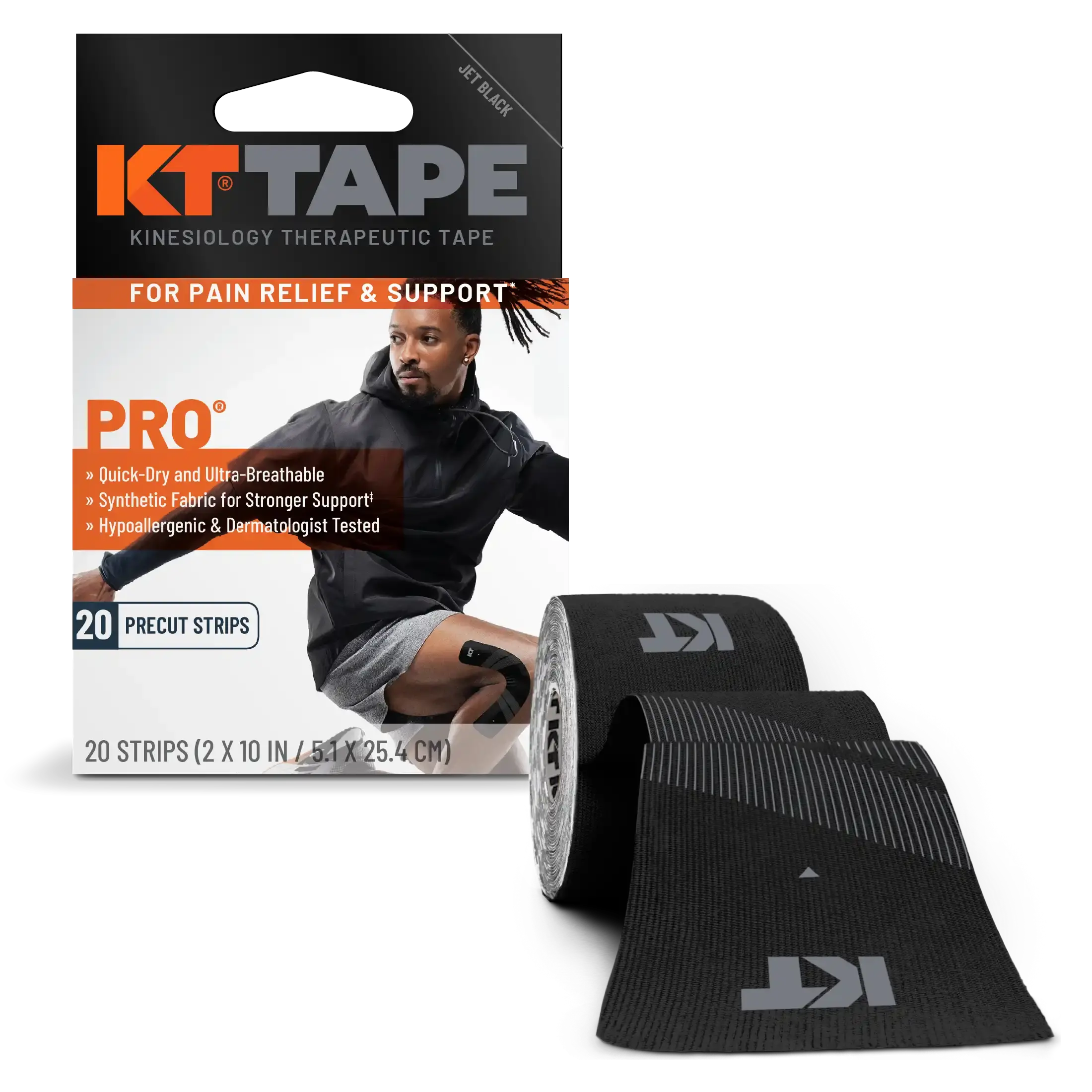
If you've ever felt a sharp or nagging pain on the inner side of your ankle after a run or during a soccer game, you're not alone. Inner ankle pain is a common issue among runners, dancers, basketball players, and anyone whose sport demands quick direction changes or repetitive footwork. If you’re dealing with a mild sprain, tendon strain, or the early signs of something more chronic, KT Tape can be a game-changer in how you recover and how you stay active.
Let’s walk through the top five KT Tape applications designed specifically to target inner ankle pain. These techniques will help support your tendons, ease inflammation, and get you back on your feet, feeling strong and ready to compete..
Understanding Inner Ankle Pain
Pain on the inner side of the ankle can sneak up after long training sessions, fast-paced court games, or even from walking too far in unsupportive shoes. One common culprit is overuse, especially in the posterior tibial tendon, which helps support your arch and stabilize your ankle as you move. Strains here can lead to what’s known as inner ankle tendon pain, a dull ache that often gets worse with activity.
You might also be dealing with a medial ankle sprain, which affects the ligaments on the inner side of your ankle. This often comes from rolling the foot outward—opposite of the more common lateral sprain.
Other possible causes include plantar fasciitis, which starts in the heel and arch but can radiate up the inside of the ankle, and ankle osteoarthritis, especially in older or previously injured athletes. Still, don’t rule out more acute injuries like bone bruises or fractures. If your ankle is swollen, discolored, or can’t bear weight, check in with a medical professional.
Benefits of Using KT Tape for Inner Ankle Pain
When it comes to recovery tools, KT Tape stands out for being lightweight, supportive, and versatile. It works by gently lifting the skin, creating space between layers of tissue, while also providing light support. This simple action improves blood flow and lymphatic drainage, which may help reduce swelling and inflammation while reducing pain.
Unlike bulky braces, KT Tape doesn’t limit your movement. It supports your body’s natural mechanics so you can stay active while addressing the root cause of your pain in your overall treatment plan. And the best part? You can apply it yourself at home with a bit of guidance.
Let’s take a closer look at the five best ways to use KT Tape for inner ankle pain based on your specific condition.
1. Posterior Tibial Tendon Support
This taping method is perfect if you’re feeling discomfort along the tendon that runs from your calf, behind the inner ankle bone, and into your arch. It’s often aggravated by overuse or flat feet, especially in runners and dancers.
Start by placing an anchor strip around the arch, then apply a support strip along the inside of the ankle and up the leg, following the path of the posterior tibial tendon. This technique offers targeted support and helps correct foot posture, easing tension along the inner ankle.
2. Medial Ankle Sprain Stabilization
Medial sprains are less common than lateral ones, but they’re just as frustrating. These injuries occur when the foot rolls outward, stretching or tearing the ligaments on the inside of the ankle.
To support a mild to moderate sprain on the inner side, use overlapping strips of KT Tape to form a figure-eight pattern around the ankle joint. This taping configuration reinforces joint stability and limits excessive side-to-side movement without fully immobilizing your foot. It's a smart way to support the ankle while keeping you moving freely.

3. Arch Support for Flat Feet
If your feet tend to collapse inward during movement (overpronation), that stress transfers to the inner ankle. In the long run, it can trigger tendon inflammation or strain.
Taping for arch support can lift and realign the midfoot, reducing the pressure on the tibialis posterior tendon and giving your inner ankle the break it needs. Start at the ball of the foot and apply KT Tape across the arch toward the heel, then reinforce with an upward strip along the inside of the ankle. This taping method can help your overall gait and reduce fatigue from long training sessions.
4. Plantar Fasciitis Relief
Though the primary symptom of plantar fasciitis is heel or arch pain, it can also radiate toward the inner ankle. If you notice stabbing pain when taking your first steps in the morning, this is a likely culprit.
KT Tape offers two effective ways to address plantar fasciitis, depending on your needs and activity level. For stronger pain, especially when you can rest from running or high-impact workouts, the KT Tape Plantar Fasciitis Tape System delivers targeted, stabilizing support. This pre-cut system is easy to apply and helps guide your foot into a supported position, reducing strain on the plantar fascia. Watch the application video here to see how to align, wrap, and secure the tape for maximum relief.
If you’re continuing to train or want more flexible support while running, kinesiology taping is your go-to. It helps lift and support the arch, allowing for movement while still easing strain and discomfort.
Here’s how to do it: start by flexing your foot to stretch the bottom. Anchor the first two inches of tape under the ball of your foot with no stretch, then apply moderate stretch along the sole before securing the last two inches at the back of heel with no stretch.
Next, place a second strip across the first — one in front of and one behind the pain point — using moderate stretch in the middle and no stretch at the ends. Smooth down the tape to ensure it’s fully adhered. For a visual walk-through, check out our PF kinesiology taping video.
With either method, KT Tape can help you stay supported and recover more comfortably, so every step feels more manageable.
5. Swelling Reduction Technique
If your ankle feels puffy, sore, or visibly swollen after activity, a lymphatic taping method can encourage fluid drainage. Swelling isn’t just uncomfortable—it can delay healing and increase your risk of further injury.
To reduce swelling, apply KT Tape in a fan pattern with the base near the most swollen area. Spread the “fingers” of the tape outward and upward to stimulate lymph flow. You’ll often feel relief within hours, and it pairs well with ankle strengthening exercises to rebuild stability.
Tips for Effective Inner Ankle Taping
Clean, dry skin is essential before applying KT Tape. Avoid lotions or oils, and trim excess hair if needed. Apply tape with 0–50% stretch, depending on the technique, and make sure all edges are firmly pressed down to prevent peeling. Most applications last 3–5 days and are water-resistant, so you can wear them through showers, workouts, or recovery days.
When to Consult a Professional
If you notice ongoing sharp pain, excessive swelling, or weakness that doesn’t improve after a few days of taping and rest, it’s time to consult a healthcare provider. KT Tape is an effective tool, but it works best as part of a comprehensive treatment plan, including strength work, mobility training, and sometimes medical intervention.
Keep in mind: “The risk of developing chronic ankle instability after sustaining a first-time ankle sprain is considered as high as up to 40%,” according to the Journal of Athletic Training. Early intervention matters.
The Bottom Line
It doesn’t matter if you're battling inner ankle pain from running, dealing with a stubborn sprain, or simply trying to stay one step ahead of overuse injuries, KT Tape offers targeted, practical support. These five taping techniques provide relief while keeping you active and in control of your recovery. If you're not sure where to start, check out our guide to taping for ankle stability or explore our method for relieving plantar fasciitis.
And remember, smart planning today means fewer setbacks tomorrow.

Written by KT Tape Team
The KT Tape Team is a collective of passionate experts in kinesiology, sports medicine, athletic training, and fitness innovation. United by a mission to empower movement and recovery, the team brings together decades of experience working with athletes—from elite professionals to weekend warriors—across a wide range of sports and activity levels. Through rigorous research, collaboration with healthcare professionals, and feedback from real users, KT Tape has developed a line of products trusted around the world for pain relief, support for injuries, athletic recovery, and empowering movement. Whether it's developing application guides, supporting major sporting events, or advancing the science of movement, the KT Tape Team is committed to helping people stay active, recover effectively, and perform at their best. KT Tape isn’t just a product—it’s a movement, and the team behind it is here to support yours.