If you’ve ever dealt with a nasty bruise or some swelling after an injury, you might be looking for effective solutions. Enter kinesiology tape, or KT tape. This colorful, stretchy tape isn’t just for athletes—it’s a versatile tool that can help with issues like bruising and swelling.
In this guide, we’ll explore how KT tape works, its application techniques, and its effectiveness for various injuries. Let’s dive in!

What is KT Tape and How Does It Work?
If you’re a sports enthusiast, you’ve likely seen athletes sporting colorful strips of tape on areas like the shoulders, knees, backs, and abs. That’s kinesiology tape. There are dozens of different types of tape on the market, and each one seeks to address common ailments that most athletes and other people experience on the day-to-day.
Kinesiology tape and well-known, trusted supplier – KT Tape – offers a specialized elastic tape designed to support muscles and joints while allowing full range of motion. Beyond that, it’s been shown to aid in reducing bruising and swelling.
Does KT Tape Help with Swelling?
Absolutely! Research has indicated that kinesiology tape can create areas of decreased pressure beneath the skin. This helps direct excess fluid (edema) to the nearest lymphatic collectors, essentially guiding the body’s natural healing processes. In simple terms, when you apply KT tape correctly, it encourages better circulation and lymphatic drainage, which can lead to reduced swelling and enhanced recovery. For specialized techniques, learn more about lymphatic taping for conditions like lymphedema.
One of the keys to its effectiveness lies in how you apply it. The bigger the convolutions the tape creates on your skin, the more significant the effect. For optimal results, apply the tape with 0% stretch over skin that is slightly stretched. This allows the tape to lift the skin, creating those crucial subcutaneous spaces.
Taping Techniques for Bruises
When it comes to bruises, specific kinesiology taping techniques can significantly help. Bruises occur when small blood vessels break under the skin, leading to discoloration and swelling. Understanding how you apply it is crucial for achieving the best results. Here’s how to effectively use KT tape for bruises:
- Clean the Area: Start by cleaning the skin where you’ll apply the tape. This ensures better adhesion.
- Measure and Cut the Tape: Cut a piece of tape that’s long enough to cover the bruised area, plus a bit of extra length on both ends.
- Round the Edges: To help prevent the tape from peeling, round the edges of the tape.
- Apply the Tape: Start by anchoring one end of the tape without stretch over the bruised area. Then, pull the tape with a slight stretch (about 10-20%) and apply it smoothly over the bruise, anchoring the other end without stretch.
- Smooth It Out: Rub the tape gently to activate the adhesive and ensure it sticks well.
Additional Considerations
For more detailed instructions on how to apply KT Tape step-by-step, you might want to check out professional sources or consult with a healthcare provider experienced in KT taping techniques. The key is consistency and ensuring the tape is applied correctly for maximum effect.
KT Tape for Bruised Ribs
Bruised ribs can be particularly painful and restrictive, making it essential to manage both the pain and the swelling effectively.
Here’s how KT tape can help:
Taping Technique for Bruised Ribs
- Position Yourself Comfortably: Sit or lie down in a position that doesn’t aggravate your injury.
- Use Two Long Pieces of Tape: These precut strips should be long enough to span across your ribcage.
- Anchor the Tape: Start by placing one end of the tape near your spine, without stretch.
- Cross Over the Bruise: Pull the tape across the bruise with slight tension, allowing it to contour to your ribcage, then anchor the other end.
- Repeat with the Second Piece: You can create an ‘X’ pattern over the bruise for additional support.
Benefits of KT Tape for Bruised Ribs
This method can provide a stabilizing effect while allowing for movement, which is essential for maintaining functionality. By lifting the skin, KT tape can also assist with reducing swelling around the rib area, allowing you to breathe and move more comfortably.
KT Tape for Hand Injuries
Swelling and bruising can frequently occur in hand injuries, whether from a fall, overuse, or a direct impact. KT tape can be particularly beneficial here.
Taping Technique for Hand Injuries
- Select the Right Tape: Choose a tape that’s narrow enough to fit comfortably around your fingers and palm.
- Clean and Prepare the Area: As always, clean the skin before applying the tape.
- Create a ‘Web’ Pattern: Cut multiple shorter strips and apply them in a web pattern across the injured area, anchoring each strip with minimal tension.
- Ensure Comfort: Avoid wrapping the tape too tightly, as this can restrict circulation.
The Benefits of Kinesiology Tape for Hand Injuries
This taping method allows for improved mobility while still providing support. By helping reduce it, kinesiology tape for swelling can enhance grip strength and mobility, making everyday tasks easier as you recover. Hand and wrist injuries respond particularly well to this technique when combined with proper rest and elevation.

KT Tape for Knee Swelling
Knee swelling is one of the most common complaints among athletes and active individuals, whether from overuse, injury, or conditions like arthritis. Kinesiology tape for knee swelling provides targeted support while promoting fluid drainage.
How to Apply Kinesiology Tape for Knee Swelling
For optimal results with KT tape for knee pain and swelling:
-
Clean and prepare the knee area, ensuring the skin is dry
-
Apply the first strip vertically along the outer knee, starting below the kneecap
-
Add a second strip horizontally across the knee joint
-
Create an "X" pattern over the swollen area to maximize lymphatic drainage
-
Finish with stabilizing strips along the sides of the knee
This technique works particularly well for knee replacement surgery recovery, post-injury swelling, and chronic knee pain. The tape helps lift the skin, creating space for excess fluid to drain while providing gentle compression and support.
When to Use KT Tape for Knee Swelling
Knee KT tape for swelling is most effective for:
-
Post-workout inflammation
-
Minor knee sprains or strains
-
Arthritis-related swelling
-
Recovery from knee replacement surgery
-
Patellofemoral pain syndrome
By supporting the joint while encouraging circulation, kinesiology tape for knee swelling can help you maintain mobility during recovery without the restriction of traditional bracing.

Kinesiology Tape for Ankle Swelling and Pain
Ankle injuries are among the most common musculoskeletal issues, with ankle sprains accounting for thousands of emergency room visits annually. Whether you're dealing with a lateral ankle sprain or general ankle swelling, kinesiology tape offers effective support.
How to Apply KT Tape for Ankle Swelling
For KT tape for ankle swelling and pain, the "figure eight" pattern is most effective:
-
Start with the ankle in a neutral position
-
Anchor the first strip below the heel
-
Wrap the tape up and around the ankle in a figure-eight motion
-
Cross over the top of the foot, then around the heel again
-
Anchor the end on the outer ankle
This KT tape technique provides ankle stability while promoting drainage of excess fluid. For persistent or chronic ankle swelling, explore lymphatic taping techniques designed specifically for fluid management.
Addressing Inner Ankle Pain
Inner ankle injuries often involve both pain and swelling around the medial malleolus. For specific guidance on addressing inner ankle pain, check out our detailed taping techniques that target this specific area.
Benefits of Kinesiology Tape for Ankle Swelling
Kinesiology tape for ankle swelling provides:
-
Reduced swelling and inflammation
-
Improved proprioception and stability
-
Pain relief without restricting movement
-
Support during the healing process of ankle sprains
-
Enhanced circulation to promote faster recovery
Kinesiology Tape for Foot Swelling
Swollen feet can result from various causes including injury, prolonged standing, pregnancy, or circulatory issues. KT tape for foot swelling provides targeted relief while allowing you to maintain your daily activities.
How to Apply KT Tape for Foot Swelling
For kt tape for foot swelling:
-
Clean and dry the foot thoroughly
-
Apply strips along the arch of the foot, starting from the heel
-
Add perpendicular strips across the top of the foot
-
Use fan-shaped cuts for wider coverage over swollen areas
-
Ensure the tape follows the natural contours of the foot
This technique helps direct fluid away from the foot toward the ankle and calf, where the lymphatic system can process it more effectively.
When Foot Swelling Requires Special Attention
If you experience chronic swollen feet or foot swelling that doesn't improve with rest and elevation, consider specialized lymphatic taping approaches. These advanced techniques are particularly helpful for conditions like lymphedema or post-surgical swelling.
Other Body Parts Where Swelling is Prevalent
While we’ve discussed knees, ankles and feet, KT tape can be beneficial for other areas prone to swelling, including the upper thigh, calves and wrists. Let’s explore how to address these areas effectively.
Upper Thigh Injuries
The upper thigh contains large muscle groups like the quadriceps and hamstrings that are prone to bruising from impacts or strains. These injuries are particularly common in contact sports and can result in significant swelling and deep tissue bruising.
Applying tape longitudinally along the length of these muscles can help with circulation and reduce swelling. Learn specific techniques for upper thigh taping to address these larger muscle groups effectively. The key is using longer strips that follow the muscle fiber direction to maximize lymphatic drainage and support recovery.
Thigh and Calf Bruising
For bruises on the thigh or calf, apply tape longitudinally along the length of the muscle. This can help with circulation and reduce swelling in those larger muscle groups. For detailed application instructions specific to the upper thigh, including techniques for quadriceps and hamstring injuries, check out our comprehensive guide.
Wrist Swelling
Wrist injuries from falls, overuse, or repetitive strain can cause significant swelling that limits hand function. Apply KT tape in a supportive wrap around the wrist, creating a basket-weave pattern that stabilizes the joint while encouraging fluid movement toward the forearm.
Lymphatic Taping for Chronic Swelling
For individuals dealing with chronic swelling or lymphedema, specialized lymphatic taping techniques can provide significant relief. This advanced application method specifically targets the lymphatic system to promote drainage and reduce fluid accumulation.
When to Consider Lymphatic Taping
Lymphatic taping is particularly beneficial for:
-
Post-surgical swelling
-
Lymphedema management
-
Chronic venous insufficiency
-
Long-term injury recovery
-
Conditions where traditional methods haven't been effective
Unlike standard taping for acute injuries like ankle sprains or knee pain, lymphatic taping uses specific fan-shaped patterns designed to direct fluid flow toward functioning lymph nodes. This technique requires more specialized knowledge but can be incredibly effective for managing persistent swelling conditions.
What KT Tape Products Are Right for Bruising & Swelling?
Now that you understand the techniques, let's explore which KT Tape products work best for different types of swelling and bruising. Each product offers unique benefits depending on your specific needs.
1. KT Tape Original Cotton
What It Is:
KT Tape Original Cotton is the flagship product known for its versatility and effectiveness. Made from a durable, natural cotton material, this tape offers both support and comfort.

How It Addresses Bruising and Swelling:
When applied correctly, KT Tape Cotton lifts the skin slightly, creating space that can help reduce pressure on injured areas. This lifting effect enhances lymphatic drainage, promoting the removal of excess fluid (edema) and helping to diminish bruising. It's particularly effective for kinesiology tape for swelling applications on knees, ankles, and general bruising.
Benefits:
Users experience pain relief and improved mobility, allowing for a quicker return to activity. The breathable fabric also ensures that it stays comfortable during wear, making it suitable for everyday use. This is an excellent choice for first-time users or those dealing with KT tape for knee or ankle swelling.
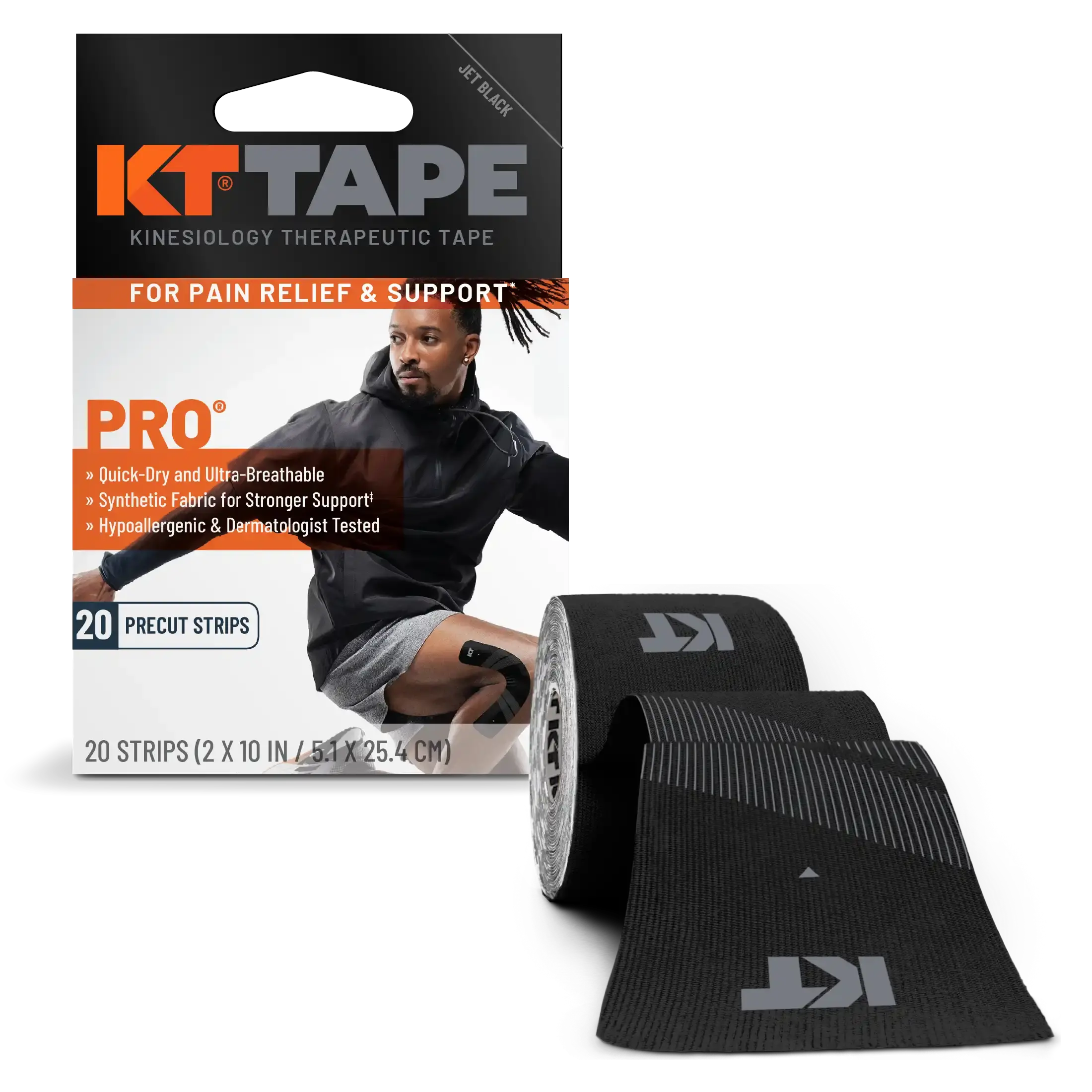
2. KT Tape Pro
What It Is:
KT Tape Pro is an advanced version of the original tape, featuring a strong adhesive and a synthetic, quick-dry fabric blend that makes it more durable and water-resistant.

How It Addresses Bruising and Swelling:
Similar to the Cotton Original Tape, KT Tape Pro helps reduce swelling by promoting lymphatic drainage through its lifting mechanism. However, its enhanced durability means it can be worn longer, even during intense workouts or water activities. This makes it ideal for KT tape for swelling applications that need to last through multiple days or challenging conditions.
Benefits:
Athletes and active individuals appreciate the Pro tape for its ability to withstand sweat and moisture, ensuring consistent support and pain relief throughout prolonged activity. This can be particularly beneficial for addressing swelling from sports injuries or overuse. Perfect for kinesiology tape for knee swelling during athletic training or KT tape for foot swelling that needs extended wear time.
3. KT Recovery Patch
What It Is:
The KT Recovery Patch is a wearable, drug-free solution designed to provide targeted relief for sore muscles and promote faster recovery. Using advanced adhesive technology, the patch delivers continuous, soothing support to help alleviate discomfort and reduce inflammation.

How It Addresses Bruising and Swelling:
Utilizing its unique, advanced adhesive technology, the Recovery Patch helps to reduce inflammation and promote circulation in the affected area. The patch works by gently lifting the skin, which helps to improve lymphatic drainage and reduce fluid buildup. This process aids in minimizing swelling and alleviates pressure on surrounding tissues, providing relief and supporting faster recovery. For more advanced lymphatic taping strategies, particularly for chronic conditions, explore our specialized techniques.
Benefits:
Whether used after intense exercise or to target localized swelling, the KT Recovery Patch delivers continuous, drug-free relief, helping to reduce discomfort and promote healing without the need for bulky wraps or ice packs. Ideal for targeted treatment of bruising and post-workout inflammation.
Frequently Asked Questions About KT Tape for Swelling
How Long to Wear KT Tape for Swelling
One of the most common questions about using kinesiology tape for swelling is: how long should you keep it on?
General Guidelines:
-
Standard application: 3-5 days for optimal effectiveness
-
KT Tape Pro can last up to 7 days due to its enhanced adhesive
-
KT Tape Cotton typically lasts 1-3 days depending on activity level
-
Replace the tape if it starts to peel, itch, or lose adhesion
For best results with kt tape for knee swelling, kt tape for ankle swelling, or kt tape for foot swelling, wear the tape continuously through the acute phase of injury (first 48-72 hours), then reassess. You can reapply fresh tape as needed throughout your recovery process.
The tape is designed to be worn during daily activities, including showering and light exercise. However, vigorous rubbing during washing or intense sweating may shorten its lifespan.
Does KT tape reduce swelling immediately?
While some users notice reduced discomfort within hours, significant reduction in swelling typically occurs over 24-48 hours as the lymphatic system processes excess fluid. The tape works by creating channels that guide fluid movement rather than providing instant compression.
Can you sleep with KT tape on for swelling?
Yes, you can sleep with kinesiology tape for swelling. In fact, keeping the tape on overnight can be beneficial as your body continues its natural healing processes. The tape remains effective 24/7 and doesn't need to be removed at night.
How tight should KT tape be for swelling?
For swelling management, apply KT tape with minimal to zero stretch (0-10% tension) over slightly stretched skin. This creates the "lift" effect needed for lymphatic drainage. Over-stretching the tape can actually restrict fluid movement and reduce effectiveness. This differs from applications for support, which may require 25-50% stretch.
Can I use KT tape with ice for swelling?
Yes, you can use both methods together. Apply ice over the tape during the first 24-48 hours after injury to reduce acute inflammation, then rely on the tape's lymphatic drainage properties for ongoing swelling management. The tape is water-resistant and won't be damaged by ice application.
Choosing KT Tape for Bruising and Swelling
KT Tape can be an effective tool for managing bruises and swelling, offering a non-invasive method to promote healing. Whether you’re dealing with a bruise, bruised ribs, hand injuries, or swelling in other areas, the right application technique can make a world of difference. If you’re looking for a bruise tape that works, consider giving KT Tape a try.
With the right application and technique, you’ll be on your way to recovery in no time! For more detailed guidance, check out resources and guides to kinesiology taping.

Written by KT Tape Team
The KT Tape Team is a collective of passionate experts in kinesiology, sports medicine, athletic training, and fitness innovation. United by a mission to empower movement and recovery, the team brings together decades of experience working with athletes—from elite professionals to weekend warriors—across a wide range of sports and activity levels. Through rigorous research, collaboration with healthcare professionals, and feedback from real users, KT Tape has developed a line of products trusted around the world for pain relief, support for injuries, athletic recovery, and empowering movement. Whether it's developing application guides, supporting major sporting events, or advancing the science of movement, the KT Tape Team is committed to helping people stay active, recover effectively, and perform at their best. KT Tape isn’t just a product—it’s a movement, and the team behind it is here to support yours.